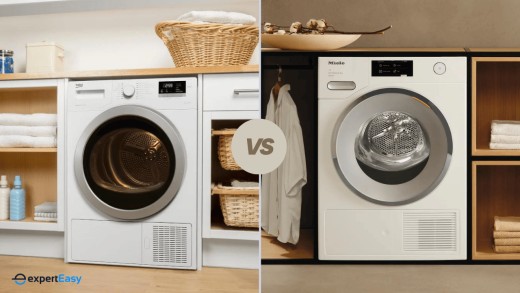
What are the differences between heat pump, vented and condenser tumble dryers?
When I first started comparing tumble dryers, I quickly realised that the types available all handle moisture and air in very different ways. A condenser dryer works by collecting water in a tank, which needs to be emptied by the user after each drying process. A vented model, on the other hand, sends hot and moist air outside through an external vent. Then there’s the heat pump option, which reuses air to reduce energy consumption. I’ve used a condenser at home before and found it convenient, but remembering to clear the tank can be a small chore.
The difference between these models is not only about convenience but also long-term running costs. Heat pump appliances are often more energy-efficient, keeping consumption to a minimum, while vented dryers can be simpler but need the right installation space for that external vent. For anyone feeling unsure about which choice is best, a handy guide like the one from Beko can make comparing options much easier. Having tested each style myself, I’d say your ideal dryer depends on whether you value efficiency, lower effort in extracts handling, or the upfront cost.
What is a Condenser Tumble Dryer? (Explained)
A condenser tumble dryer is one of the most practical appliances to install in a home. Unlike vented dryers that need an externally vented hose and an external wall, a condenser can be installed almost anywhere, making it a far more Flexible choice.
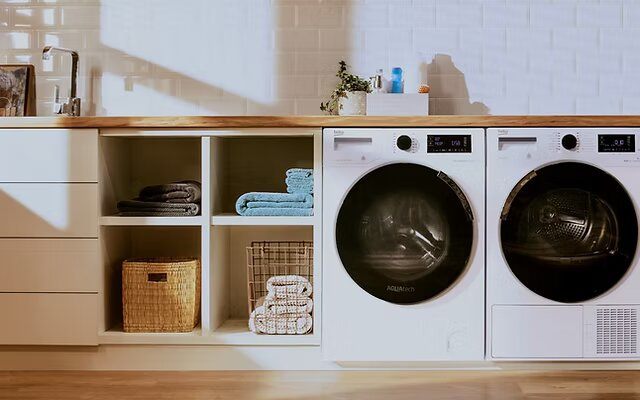
The advantages are clear—it doesn’t matter if you have a compact room or an awkward place in your house, as long as there’s a constant supply of cool air and a well-ventilated space for warm air to escape, the function works perfectly.
Smart Features and Performance
What I like most is how modern models with Sensor programmes use moisture sensors to automatically stop the cycle when items reach the right dryness level, protecting fabrics while also saving energy.
Brands like Beko even add Quick programmes and fast-drying options such as a Dry programme that handles a small load of about 1?kg in just 15–30 minutes, which is perfect if you need an outfit in a hurry.
On the performance side, condenser dryers use high temperatures that can reach a maximum temperature of 70-75°C, higher than a heat pump dryer which peaks around 50°C. This means drying times and cycles are generally shorter, though the expulsion of hot air does make them consume more power.
What is a Heat Pump Tumble Dryer?
A heat pump tumble dryer stands out because of its advanced technology. It works by using hot air inside the drum that extracts moisture from clothes, then removes and recirculates the warm flow to continue drying.
This closed loop exchange system makes it highly energy-efficient, though the cycles are often longer. Still, it’s a practical option if you want better protection for laundry at a gentler temperature. The Blomberg model with FasterDry is known to reduce drying times while still maintaining high efficiency.
The pros are clear—lower running costs and long-term savings on utility bills. The cons include a higher upfront price and slightly longer wait times, but overall it offers strong value.
Key Advantages in Everyday Use
The heat pump dryer can absorb moisture, pass it through the evaporator, and have it collected in a tank before the remaining air is reheated for reuse. Unlike a condenser or vented machine that release hot air, this system is much easier to fit in any home without an external wall.
It’s flexible in installation, and because it can consume significantly less energy, it provides notable savings. The performance is also quieter thanks to features like the ProSmart™ inverter motor, which is ideal for open-plan living. Gentle care at lower levels of temperature helps prevent shrinking, fading, or damage to delicate fabrics and sensitive garments.
For busy days, RapiDry™ is useful—it offers a shorter cycle and still leaves clothes perfectly dry. In a daily routine, the balance of efficiency and protection for everyday items makes this dryer a dependable choice.
What is a Vented Tumble Dryer?
A vented tumble dryer works differently from a condenser model because it doesn’t convert hot air into water. Instead, it removes the heat and moisture directly from the drum, expelling it outside through a hose. This requires either an open window or an external wall vent to release the damp air.
The installation requirement can restrict options when space is limited, since the placement must be near a vent. The best position is usually in a utility area or part of the home where an outlet is already in place to allow the air to escape.
Pros and Cons of a Vented Dryer
The pros include faster drying times, a lower upfront cost, and no need to empty a tank like with some other machines.
The cons are also clear. A vented appliance requires proper venting, which reduces flexibility in placement. It can be less energy efficient, and while the setup keeps utility bills relatively low, long-term savings may not be as strong as with alternative dryers. Still, for those who value speed and straightforward use, this option provides good convenience.
Practical Experience and Installation Insights
Choosing the right model depends on purchasing one that fits the house layout. The installation is easier if a vent is already fitted; otherwise, it may need to be prepared manually, adding time to the process. Once installed in a suitable location, the machine works reliably.
The setup is simple: connect the hose securely, make sure the external wall or window is ready, and the dryer will expel the hot air and water vapor as intended. Though flexibility is less compared to a condenser or heat pump dryer, the convenience and lower upfront cost remain appealing.
Condenser Tumble Dryers vs Heat Pump Tumble Dryers
Condenser dryers and heat pump tumble dryers may look similar, but they differ significantly in how they generate and manage heat. A condenser dryer is designed with a heater element that works to dry clothes.
This type of machine feels familiar to many customers, but it can be costly to run and is generally less energy-efficient when compared to a heat pump dryer. This makes it a less practical choice for those aiming to reduce consumption in the long run.
A heat pump dryer employs a closed-loop exchange system that operates at a lower temperature. This approach keeps energy usage in check, while it provides better protection for laundry.
The technology conserves and reuses hot air, which reduces waste and extends the lifespan of clothing. Although it may take slightly longer to dry a load, the method works more efficiently and proves cost-effective over time.
The main difference lies in how each handles air and temperature. A standard condenser dryer simply releases the hot air, while the heat pump dryer offers an alternative that helps to make the process more efficient and significantly reduces energy bills. This makes the heat pump dryer an increasingly popular option in a large portion of the market, as it balances performance, protection, and savings for everyday laundry.
FAQ’s
What is the Most Energy-Efficient Dryer?
Heat pump tumble dryers are the most energy-efficient option available. They are perfect for those who want to lower energy bills over time, even though the initial purchase cost can be higher.
The long-term savings in energy consumption are significant, making them a wise investment for energy-conscious users.
Which Dryer Works the Fastest?
Vented dryers are often the best choice if the primary concern is drying speed. They expel hot moist air outside quickly, giving the fastest drying times without much effort.
Which is the best tumble dryer, vented or condenser or heat pump?
Condenser dryers and vented tumble dryers both release hot air to dry clothes, which makes them efficient for regular laundry needs.
A heat pump tumble dryer uses technology that conserves and reuses warm air, works at a lower temperature, and adds extra protection for your clothes.
Should I get a condenser dryer or a heat pump dryer?
Condenser dryers are heavy-duty workhorses that handle large loads, dry clothes fast, and run with minimal noise.
Heat pump dryers work more slowly and sometimes loudly, often taking about 30 minutes longer to dry laundry.
Vented dryers can also dry clothes fast, but they usually offer less settings and fewer modern features.