
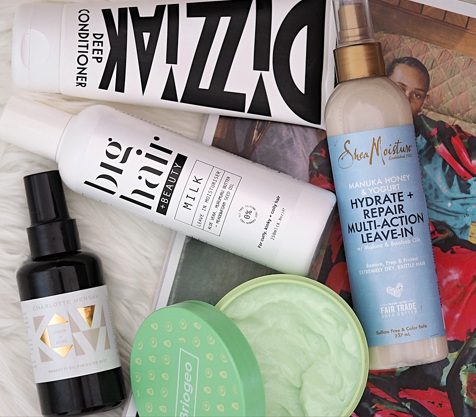
The journey to healthy, beautiful hair is personal. For those with textured hair, it often involves a search for products that truly understand and cater to its unique needs. The rise of black owned hair products has been a game-changer, offering formulations created by people who have firsthand experience with coils, kinks, waves, and curls. These brands are more than just a market trend; they represent a movement toward authentic, effective hair care rooted in community and wellness.
Supporting Black entrepreneurs in the beauty space means investing in innovation and integrity. These founders often create their lines out of necessity, developing solutions for common issues like dryness, breakage, and poor growth. They prioritize high-quality, often organic and vegan ingredients, to ensure that what you put on your hair is both safe and beneficial. This guide explores the world of black owned hair products, highlighting the ingredients, routines, and brands that are helping people achieve their best hair ever.
Why Choosing Black Owned Hair Products Matters
For a long time, the mainstream beauty industry overlooked the specific needs of Afro-textured hair. Products were often formulated with harsh chemicals or designed for looser curl patterns, leaving a significant gap in the market. The emergence of powerful black owned hair products has filled this void, providing effective solutions while also building sustainable wealth within the community.
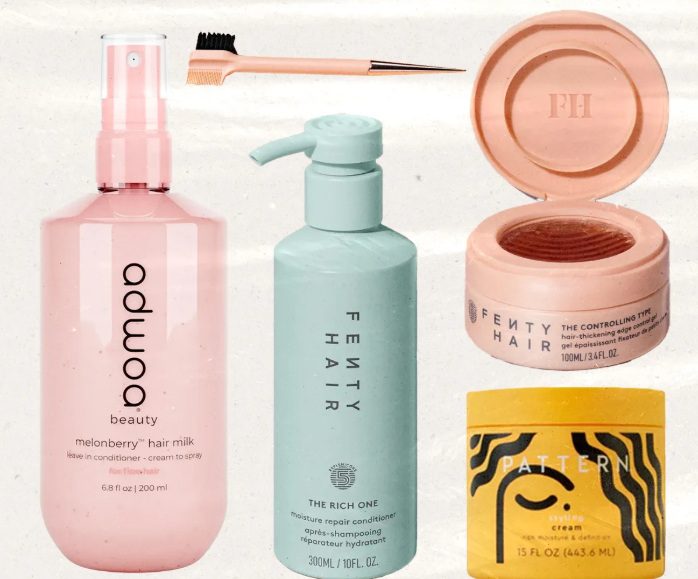
These brands are built on a foundation of understanding. Founders often draw from personal experiences and family traditions, creating formulas that deliver on their promises. When you purchase from these companies, you are not just buying a product; you are supporting a legacy of resilience and creativity.
The Power of Community and Shared Knowledge
One of the most significant aspects of the black owned hair products movement is the community it fosters. From social media influencers sharing their wash-day routines to online forums discussing the best techniques for detangling, there is a wealth of shared knowledge. This ecosystem helps consumers make informed choices and empowers them to embrace their natural hair. Brands actively participate in this dialogue, offering educational content about everything from understanding hair porosity to the benefits of different oils.
Understanding Your Hair: Porosity and Curl Patterns
Before diving into products, it’s crucial to understand your hair’s unique characteristics. The two most important factors are your curl pattern and hair porosity. Knowing these will help you select the right black owned hair products that will work for you, not against you.
Decoding Your Curl Pattern
Curl patterns are typically categorized using a system that ranges from Type 2 (wavy) to Type 4 (coily/kinky), with sub-classifications from A to C.
- Type 2 (Waves): This hair type has a slight S-shape. It can be prone to frizz and may be weighed down by heavy products. Lightweight creams and mousses work well.
- Type 3 (Curls): This category includes everything from loose loops to tight corkscrews. Hydration is key to keeping these curls defined and preventing frizz.
- Type 4 (Coils and Kinks): This hair is tightly coiled and can be very delicate. It is the most prone to dryness and shrinkage, requiring rich, moisturizing products to maintain its health and elasticity.
The Importance of Hair Porosity
Porosity refers to your hair’s ability to absorb and retain moisture. It is just as important as your curl pattern when choosing products.
- Low Porosity: Hair cuticles are tightly packed. This hair type is resistant to absorbing moisture but holds onto it once absorbed. It is prone to product buildup. Look for lightweight, liquid-based products and use heat during deep conditioning treatments to help open the cuticles.
- Medium Porosity: This is the ideal porosity level. The cuticles are looser, allowing moisture to penetrate easily without escaping too quickly. A wide range of black owned hair products will work for this hair type.
- High Porosity: The cuticles are open, so hair absorbs moisture quickly but also loses it just as fast. This hair type benefits from layering products, including leave-in conditioners, oils, and creams, to seal in hydration. Protein treatments can also help fill the gaps in the hair shaft.
Many black owned hair products are specifically formulated with porosity in mind, making it easier to build an effective routine.
Key Ingredients to Look for in Black Owned Hair Products
The effectiveness of any hair product comes down to its ingredients. Black owned hair products are often celebrated for their use of natural, nourishing ingredients that provide deep moisture and promote healthy growth.
The Moisturizing Power of Butters and Oils
Healthy textured hair is moisturized hair. Natural butters and oils are staples in many of these product lines because of their ability to hydrate, strengthen, and protect.
Shea Butter
A cornerstone of African beauty for centuries, shea butter is a rich emollient that seals in moisture, reduces frizz, and protects hair from damage. It is packed with vitamins and fatty acids that nourish the scalp and hair strands.
Argan Oil and Coconut Oil
Argan oil, often called “liquid gold,” is excellent for adding shine and taming frizz without weighing hair down. Coconut oil is known for its ability to penetrate the hair shaft and strengthen the hair from within.
Jamaican Black Castor Oil
A true powerhouse for hair growth, Jamaican black castor oil is famous for its ability to thicken hair, moisturize a dry scalp, and strengthen delicate strands. It’s a go-to ingredient for those looking to improve their hair’s density and length.
Hydration Heroes: Aloe Vera and More
Beyond oils, certain ingredients are fantastic for delivering water-based hydration directly to the hair shaft.
- Aloe Vera: This plant is a natural humectant, meaning it draws moisture from the air into the hair. It’s also soothing for the scalp and can help balance its pH.
- Glycerin: Another powerful humectant, glycerin helps keep hair hydrated for longer periods. It’s a key ingredient in many styling creams and leave-in conditioners.
Finding black owned hair products that balance these moisturizing oils and hydrating ingredients is the secret to a successful hair care routine.
Building Your Ultimate Hair Care Routine
A consistent routine is beneficial for maintaining healthy hair. Using a system of black owned hair products designed to work together can lead to incredible results.
Step 1: Cleansing with a Clarifying Shampoo
Start with a clean slate. A good clarifying shampoo will remove product buildup, dirt, and oil without stripping your hair of its natural moisture. Look for sulfate-free options that are gentle on your scalp. Cleansing properly allows your other products to penetrate and work more effectively. Proper scalp care is the foundation of healthy hair growth.
Step 2: Deep Conditioning for Intense Moisture
Deep conditioning is a non-negotiable step for textured hair. A weekly treatment will replenish moisture, improve elasticity, and prevent breakage. Many black owned hair products offer deep conditioners enriched with ingredients like honey, baobab oil, and shea butter for an intense moisture boost.
Step 3: The LOC or LCO Method for Lasting Hydration
After washing, it’s all about locking in that hydration. The LOC (Liquid, Oil, Cream) or LCO (Liquid, Cream, Oil) method is a popular technique for this.
- Liquid (L): Start by applying a water-based leave-in conditioner to freshly washed hair. This provides the initial layer of hydration.
- Oil (O): Next, seal in the water with an oil. This creates a barrier that prevents moisture from escaping.
- Cream (C): Finish with a styling cream to further seal the hair, define your curl pattern, and provide a soft hold.
Experiment to see which order works best for your hair’s porosity.
Step 4: Styling and Protecting Your Hair
Styling is where you can truly express yourself, whether you’re creating a twist-out, braid-out, or wash-n-go. Using the right styling products is crucial. Look for styling creams and gels from black owned hair products brands that offer definition without flaking or crunchiness.
Protective styles like braids, twists, and updos are great for minimizing manipulation and retaining length. While wearing these styles, don’t forget to care for your scalp and hair. Scalp sprays and lightweight oils can keep your scalp from getting dry and itchy.
At night, protect your hair with satin-lined turbans, bonnets, or headwraps. Satin and silk help your hair retain moisture and reduce friction that can lead to breakage and frizz control issues, unlike cotton. Investing in high-quality black owned hair products for protection is just as important as your wash-day essentials.
Discovering Brands That Make a Difference
The market for black owned hair products is vast and continues to grow. Brands like Melanin Haircare, Pattern Beauty by Tracee Ellis Ross, Mielle Organics, and Briogeo have become household names. They offer a wide range of products catering to different hair needs, from scalp care to frizz control. Exploring these and other emerging brands is a wonderful way to find the perfect regimen for your hair while supporting Black entrepreneurs. These brands not only provide exceptional hair care but also contribute to a more inclusive beauty industry.
By choosing black owned hair products, consumers are making a powerful statement. They are prioritizing their hair’s health with products made with understanding and care. They are also contributing to the economic empowerment of a community that has long been a driving force of innovation in the hair care world.
Frequently Asked Questions (FAQs)
- Are black owned hair products only for Black people?
No, not at all! While these products are formulated with the unique needs of textured hair in mind, many are beneficial for all hair types. People with fine, straight hair might find that some of the heavier creams are too much, but lightweight leave-ins, oils, and scalp treatments can work for everyone. It’s all about finding the right product for your hair’s specific needs, regardless of race. - How can I find authentic black owned hair products?
Many retailers like Target, Ulta, and Sephora have dedicated sections for black-owned brands. You can also shop directly from the brands’ websites or visit online marketplaces that specifically feature products from Black entrepreneurs. Looking for founders’ stories on brand websites is another great way to confirm their origins. - What is the single most important product for natural hair health?
While a full routine is ideal, a high-quality deep conditioner or hair mask is arguably one of the most crucial products. Textured hair is naturally prone to dryness, and regular deep conditioning is the best way to infuse intense moisture, improve elasticity, and prevent breakage. Many excellent options are available from black owned hair products brands. - How often should I wash my textured hair?
This depends on your hair type, lifestyle, and scalp condition. Generally, washing once a week is a good starting point. Over-washing can strip the hair of its natural oils, while under-washing can lead to scalp buildup. Pay attention to how your hair and scalp feel, and adjust your wash schedule accordingly. - Can using black owned hair products really help my hair grow?
Yes, they can create the optimal environment for hair growth. While no product can change your genetic growth rate, black owned hair products that focus on scalp care, moisturizing ingredients like Jamaican black castor oil, and preventing breakage are key. Healthy hair that doesn’t break will retain its length, which is what most people perceive as faster growth. A consistent routine with the right products is essential.

