
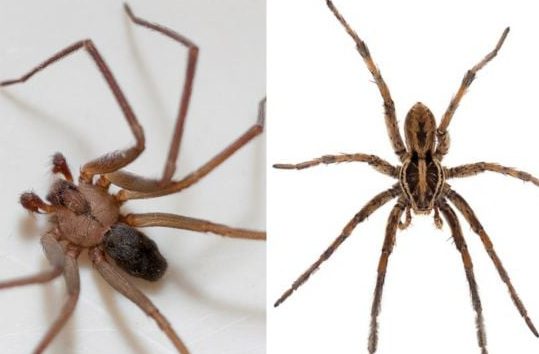
It’s a common scenario: you enter a room, flip on the light, and spot a spider scurrying into a corner. For many, the first reaction is a jolt of alarm. Is that a harmless visitor or something more dangerous? The question of brown recluse vs house spider is a frequent concern for homeowners. Understanding the distinct differences between these two arachnids is crucial not just for your peace of mind, but also for your safety.
This comprehensive guide will walk you through everything you need to know to tell these two apart. We’ll explore their physical traits, behaviors, and the potential risks associated with each. With this knowledge, you can confidently identify what’s in your home and take the right steps to manage the situation, hopefully putting your fears to rest. Let’s delve into the world of these common but often misunderstood spiders.
What Are These Spiders? A Quick Introduction
Before we dive into the specifics of identification, let’s get acquainted with our subjects. The brown recluse and the common house spider occupy very different roles in our homes and environments.
The Infamous Brown Recluse (Loxosceles reclusa)
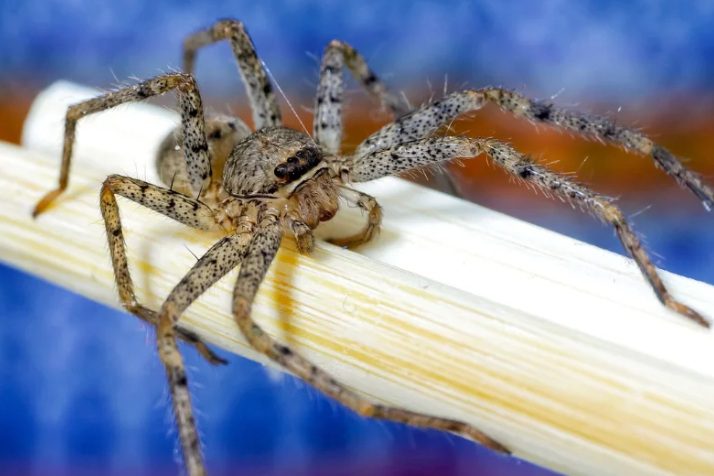
The brown recluse spider, whose scientific name is Loxosceles reclusa, has a notorious reputation, primarily due to its venomous bite. These spiders are most commonly found in the central and southern United States. True to their name, they are reclusive, preferring to stay hidden in dark, quiet, and undisturbed locations. You might find them in basements, attics, closets, or even inside cardboard boxes and piles of clothes. They are not aggressive and prefer to flee rather than fight.
The Common House Spider (Genus Parasteatoda and others)
The term “house spider” is a broad label that covers several different species commonly found living in human dwellings. A frequent example is the American house spider, Parasteatoda tepidariorum. These spiders are found all over the world and are generally considered harmless to humans. They are the ones you typically see building webs in the corners of rooms, behind furniture, or in window frames. Far from being a threat, they can be beneficial, acting as natural pest control by catching nuisance insects like flies and mosquitoes.
Physical Characteristics: The Definitive Visual Cues
At first glance, many small, brown spiders can look alike. However, a closer look reveals key physical distinctions that help settle the brown recluse vs house spider debate. Paying attention to size, color, and especially the eye pattern can make identification much easier.
The Telltale Violin of the Brown Recluse
The most famous identifying feature of a brown recluse is the violin-shaped marking on its cephalothorax (the fused head and thorax section).
Key Features of a Brown Recluse
- Violin Mark: This dark brown marking on the spider’s back is its most distinctive trait. The “neck” of the violin points toward the rear of the spider. It’s important to note that this marking can be faint in younger spiders.
- Uniform Color: The abdomen of a brown recluse is a solid, uniform color—typically light to dark brown—with no stripes, spots, or other patterns. Its legs are also a uniform color and are covered in fine hairs, not spines.
- Eye Arrangement: This is the most definitive feature. While most spiders have eight eyes, the brown recluse has only six. These six eyes are arranged in three pairs, called dyads, forming a semicircle. This is a crucial detail for positive identification, though it requires a very close look.
- Size: An adult brown recluse is relatively small. Its body typically measures between 0.25 and 0.75 inches, and its leg span is about the size of a U.S. quarter, around 1 inch.
The Varied Appearance of the House Spider
House spiders are much more diverse in their appearance, which can sometimes lead to confusion.
Common Features of a House Spider
- Color and Pattern: House spiders are often yellowish-brown, grayish, or brown. Unlike the brown recluse, their abdomens usually have a muddled or mottled pattern with stripes, spots, or chevron-like markings. This patterned appearance is a strong indicator that you are not looking at a brown recluse.
- Eye Arrangement: Common house spiders have eight eyes, typically arranged in two rows of four. This is a stark contrast to the six-eye pattern of the brown recluse.
- Webs: The presence of an elaborate, classic spider web is a big clue. House spiders are prolific web-builders, creating tangled, messy, or sometimes funnel-shaped webs to catch their prey.
- Size: Their body size can range from 0.25 to 1 inch, with a leg span that can reach up to 3 inches in some species. They can be both smaller and larger than a brown recluse.
Brown Recluse vs House Spider: A Comparison Table
To make identification even clearer, here is a side-by-side comparison of the main differences in the brown recluse vs house spider matchup.
| Feature | Brown Recluse Spider | Common House Spider |
| Markings | Distinct violin shape on the back | Mottled or patterned abdomen; no violin |
| Color | Uniform light to dark brown | Variable; often yellowish-brown or gray with patterns |
| Eyes | Six eyes in three pairs (dyads) | Eight eyes in two rows |
| Size | Body: 0.25-0.75 in; Leg span: ~1 in | Body: 0.25-1 in; Leg span: up to 3 in |
| Web | Irregular, messy, flat webs used for retreat | Tangled, messy, or funnel-shaped webs for catching prey |
| Behavior | Reclusive, nocturnal, non-aggressive | Often visible, active, builds webs in open corners |
| Bite Risk | Venomous, can cause necrotic lesions | Generally harmless, bite is minor and non-venomous |
Behavior and Habitat: Where They Live and How They Act
Understanding the typical behavior and preferred habitat of a spider provides another layer of clues for accurate identification. The lifestyle differences in the brown recluse vs house spider comparison are quite significant.
The Solitary Life of a Brown Recluse
As its name suggests, the brown recluse is, well, reclusive. It is a nocturnal hunter that actively avoids human contact.
- Hiding Spots: They seek out dark, undisturbed, and dry locations. Common habitats include basements, attics, crawl spaces, closets, and wall voids. They also hide in storage items like cardboard boxes, old furniture, woodpiles, and piles of clothing left on the floor.
- Web Use: A brown recluse does not build the large, intricate webs that many people associate with spiders. Instead, it spins small, irregular, and messy webs that serve as a retreat or shelter, not as a primary tool for catching prey. These webs are often found close to the ground in out-of-the-way places.
- Hunting: They leave their retreat at night to hunt for small insects and other spiders. Their non-aggressive nature means they will only bite when they feel trapped and threatened, such as when pressed against a person’s skin inside clothing or a shoe.
The Opportunistic Nature of a House Spider
House spiders are far more visible and integrated into the human environment. They are opportunistic and build their homes where prey is most plentiful.
- Common Locations: You are likely to find house spiders and their webs in the corners of ceilings, in window frames, behind furniture, and in any area where they are unlikely to be disturbed but can still catch flying or crawling insects. They are common in kitchens, bathrooms, and living areas.
- Web Builders: These spiders are known for their web-building skills. The classic “cobweb” you find during cleaning is often the work of a house spider. They use these sticky, tangled webs to trap insects, and they tend to stay on or near their web.
- Activity: While they can be active at any time, they are often seen scurrying across walls or ceilings. They are not considered a threat and coexist peacefully with humans, providing a form of natural pest control.
The Bite: Understanding the Risks
The primary reason for the intense interest in the brown recluse vs house spider distinction is the potential danger of a bite. Here, the two could not be more different.
The Dangers of a Brown Recluse Bite
A bite from a brown recluse spider is a serious medical concern, although it’s important to remember that bites are rare. Their venom is cytotoxic, meaning it can destroy tissue.
- Initial Symptoms: The bite itself may be painless initially. Within a few hours, symptoms can develop, including redness, swelling, and severe pain at the bite site.
- Necrotic Lesions: In some cases, the venom causes necrosis, which is the death of tissue. This can result in an open, ulcerating sore that is slow to heal and may require medical intervention.
- Systemic Reactions: Though less common, some people may experience systemic symptoms like fever, chills, nausea, and body aches.
- Action Required: If you suspect you have been bitten by a brown recluse, it is essential to seek medical attention immediately. If possible and safe, try to capture the spider for positive identification.
The Harmless House Spider Bite
A bite from a common house spider is not a cause for alarm. These spiders are not considered venomous to humans.
- Symptoms: If a house spider does bite (which is also a rare event, usually happening only when the spider is crushed against the skin), the symptoms are very mild. You might experience minor irritation, a small red bump, slight swelling, or some itching at the site.
- Duration: These symptoms typically disappear within a few hours or a day and do not require medical treatment. The pain is often compared to a pinprick.
- No Danger: There is no risk of necrosis or any other serious reaction from a common house spider bite.
Prevention: How to Keep Spiders Out of Your Home
Whether you’re dealing with a potentially dangerous brown recluse or a harmless house spider, most people prefer to keep their homes spider-free. Here are some effective prevention tips.
- Declutter: Spiders love clutter. Keep your home, especially storage areas like basements and attics, organized and tidy. This reduces the number of hiding spots available.
- Seal Entry Points: Carefully inspect your home’s exterior. Seal any cracks, gaps, or holes in the foundation, around windows, and where utility lines enter the house.
- Regular Cleaning: Frequent dusting and vacuuming removes webs, egg sacs, and the spiders themselves. This disrupts their ability to establish a habitat in your home.
- Manage Other Pests: Spiders are attracted to places with an abundant food source. Control other insect populations in your home by keeping food sealed and surfaces clean.
- Be Cautious with Stored Items: Before bringing in boxes from the garage or attic, inspect them for spiders. Shake out clothing, shoes, and blankets that have been stored for a long time before using them.
- Professional Help: If you have a significant infestation or believe you have brown recluse spiders in your home, it’s best to call a professional pest control expert. They can perform a thorough inspection, provide a definitive identification, and implement a safe and effective treatment plan. The brown recluse vs house spider question is one they can answer with certainty.
Conclusion: Knowledge is Your Best Defense
The fear of spiders is common, but knowledge is a powerful tool to overcome it. By learning to distinguish between the medically significant brown recluse and the harmless common house spider, you can better assess any situation you encounter in your home. Remember the key identifiers: the brown recluse has a violin mark, a uniform brown color, and six eyes in three pairs. The common house spider has a patterned abdomen and eight eyes.
Your understanding of the brown recluse vs house spider differences empowers you to react appropriately—seeking medical care for a suspected recluse bite versus simply cleaning away the web of a house spider. By practicing good prevention habits, you can make your home less inviting to all spiders and ensure a safer, more comfortable living environment for you and your family.
Frequently Asked Questions (FAQs)
- What is the single most reliable way to identify a brown recluse spider?
The most definitive feature for identifying a brown recluse is its eye pattern. They have six eyes arranged in three pairs (dyads) in a semicircle, whereas most other spiders, including the common house spider, have eight eyes. While the violin marking is a famous trait, it can be faint or misleading on other spider species. - Are brown recluse spiders aggressive towards humans?
No, brown recluse spiders are not aggressive. They are very shy and reclusive, and their natural instinct is to flee from humans. Bites almost always occur accidentally when the spider is trapped against a person’s skin, such as in clothing, shoes, or bedding. - I found a brown spider in my house. Should I be worried?
Not necessarily. Many common house spiders are brown. Before worrying, try to observe its features from a safe distance. Look for the key differences outlined in the brown recluse vs house spider comparison. Does it have a patterned abdomen? Is it in a large, messy web in a corner? If so, it is likely a harmless house spider. If you see a clear violin mark and uniform color, exercise caution. - Where in the U.S. are brown recluse spiders most common?
Brown recluse spiders are predominantly found in the central and southern United States. Their range stretches from Nebraska south to Texas and from Kansas east to Georgia. They are not native to and are rarely found in states like California, Florida, or those in the Pacific Northwest and New England. - What should I do if I think I have a brown recluse infestation?
If you suspect you have a brown recluse infestation, it is highly recommended that you contact a professional pest control service. These spiders can be difficult to eliminate with DIY methods due to their reclusive nature. A professional can properly identify the spider, assess the extent of the infestation, and use targeted treatments to safely remove them from your home.

