Hyperpigmentation, the darkening of skin in patches, is a common concern affecting people of all skin types. It can result from sun exposure, hormonal changes, or inflammation. While many treatments exist, hydroquinone has long been considered a standard for addressing these dark spots. This powerful skin-lightening agent is effective but also comes with questions and concerns about its use and safety.
This comprehensive guide will explore everything you need to know about hydroquinone. We will cover its mechanism of action, the conditions it treats, and how to use it safely. We’ll also discuss potential hydroquinone side effects, its availability in places like the UK, and what you can realistically expect from treatment. Whether you’re considering a hydroquinone cream for the first time or seeking more information, this article will provide clear, detailed insights.
Understanding Hydroquinone and How It Works
Hydroquinone is a topical compound used to lighten areas of darkened skin. It’s classified as a depigmenting agent. Its primary function is to decrease the production of melanin in the skin, which is the pigment responsible for skin color. By inhibiting this process, hydroquinone helps fade dark spots and create a more even skin tone.

The Science Behind Skin Lightening
To understand how hydroquinone works, it’s important to understand how melanin is produced. Your skin contains cells called melanocytes, which produce melanin. An enzyme called tyrosinase plays a critical role in this process, converting the amino acid tyrosine into melanin.
Hydroquinone interferes with this pathway in two main ways:
- Inhibits Tyrosinase Activity: It reversibly blocks the action of the tyrosinase enzyme. With less tyrosinase activity, melanocytes cannot produce as much melanin.
- Damages Melanocytes: It can also cause selective damage to the melanocytes themselves, further reducing their ability to create pigment.
This dual-action mechanism makes hydroquinone a highly effective treatment for various forms of hyperpigmentation. The effect is gradual, with visible results typically appearing after several weeks or months of consistent use. It’s crucial to note that hydroquinone only affects new melanin production; it does not bleach existing pigment.
Formulations and Strengths of Hydroquinone
Hydroquinone is available in various formulations, including creams, gels, lotions, and solutions. The concentration of the active ingredient is a key factor in its efficacy and potential for side effects.
- Over-the-Counter (OTC) Products: Lower concentrations, typically 1% to 2%, are often available without a prescription in some countries. These are suitable for milder cases of hyperpigmentation.
- Prescription-Strength Products: Higher concentrations, such as hydroquinone 4 percent, require a prescription from a healthcare provider. These are used for more significant or stubborn pigmentation issues like melasma. In the UK, regulations are stricter, and products like hydroquinone cream UK Boots used to carry are no longer available over thecounter; a prescription is necessary for any creams with hydroquinone UK shoppers want to purchase.
Some of the most effective formulations combine hydroquinone with other active ingredients to enhance its effects and reduce irritation. A popular combination therapy, often called a triple cream, includes:
- A topical retinoid (like tretinoin) to increase skin cell turnover and enhance penetration.
- A mild corticosteroid to reduce inflammation and irritation.
This combination approach can produce more significant and faster results, but it also requires careful supervision by a dermatologist. The use of a hydroquinone cream should always be guided by professional advice.
What Skin Conditions Can Hydroquinone Treat?
Hydroquinone is specifically indicated for treating various types of epidermal hyperpigmentation, where the excess pigment is located in the upper layers of the skin. It is less effective for dermal pigmentation, which lies deeper in the skin.
Melasma and Chloasma
Melasma is a common condition characterized by brown or grayish-brown patches, usually on the face. It’s often triggered by hormonal changes (like pregnancy or oral contraceptives) and sun exposure. Hydroquinone is a first-line treatment for melasma, helping to fade these patches and even out skin tone. Many people see significant improvement, especially when combining hydroquinone with strict sun protection.
Post-Inflammatory Hyperpigmentation (PIH)
Post-inflammatory hyperpigmentation occurs after an injury or inflammation of the skin, such as from acne, eczema, or psoriasis. The inflammation triggers an overproduction of melanin, leaving dark spots behind after the initial condition has healed. A hydroquinone cream is very effective in treating PIH, particularly in individuals with darker skin tones who are more prone to this condition.
Solar Lentigines (Age Spots) and Freckles
Solar lentigines, commonly known as age spots or liver spots, are dark spots caused by years of sun exposure. Similarly, freckles are small brown spots that darken with sun exposure. Hydro quinone can lighten both of these conditions by reducing the melanin content in the affected areas. Consistent use, paired with diligent sunscreen application, can lead to a noticeable fading of these spots.
How to Use Hydroquinone Cream Safely and Effectively
Proper application is key to achieving the best results with hydro quinone and minimizing the risk of side effects. Always follow the instructions provided by your healthcare provider or on the product label.
Step-by-Step Application Guide
- Cleanse and Dry Your Skin: Before applying, wash your face or the affected area with a gentle cleanser and pat it completely dry.
- Perform a Patch Test: Before your first full application, test the hydroquinone cream on a small, inconspicuous area of skin. Wait 24 hours to check for any signs of severe irritation, redness, or blistering.
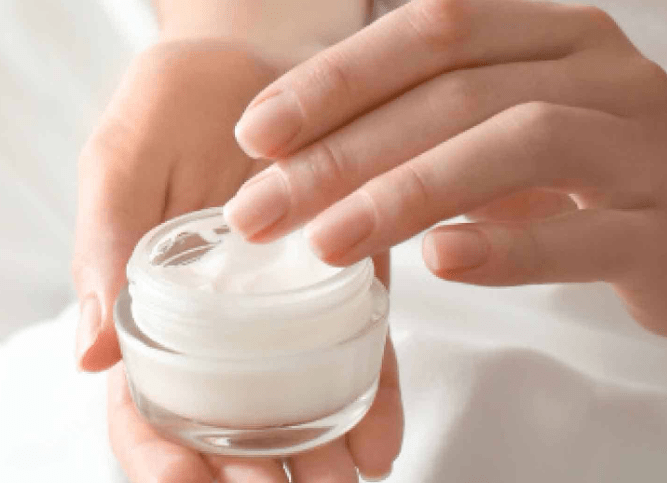
- Apply a Thin Layer: Use your fingertips to apply a thin film of the cream only to the hyperpigmented areas. Avoid applying it to normal-colored skin to prevent unwanted lightening.
- Rub In Gently: Gently rub the product into the skin until it is fully absorbed.
- Wash Your Hands: Thoroughly wash your hands after application to avoid lightening the skin on your fingers or accidentally transferring the product to other areas, like your eyes.
- Apply Sunscreen: Hydroquinone can make your skin more sensitive to the sun. Sun exposure can also reverse the effects of the treatment. It is absolutely essential to apply a broad-spectrum sunscreen with an SPF of 30 or higher every morning.
Duration of Treatment and Best Practices
- Treatment Period: Hydroquinone is typically used for a limited period, usually 3 to 6 months. If no improvement is seen after 3 months, you should consult your dermatologist.
- Cycling On and Off: To reduce the risk of side effects, dermatologists often recommend a “cycling” approach. This involves using hydroquinone for a few months, followed by a break where you use other lightening agents (like azelaic acid, kojic acid, or vitamin C) to maintain results.
- Combination Therapy: As mentioned, your doctor might prescribe a product that combines hydro quinone with a retinoid and a steroid for enhanced efficacy.
- Consistency is Key: Apply the treatment as directed, usually once or twice daily, for optimal results. Missing doses can delay improvement.
| Do’s | Don’ts |
| Do apply a broad-spectrum sunscreen daily. | Don’t apply to broken, irritated, or sunburned skin. |
| Do perform a patch test before first use. | Don’t use for longer than the recommended period. |
| Do apply a thin layer only to dark spots. | Don’t use near your eyes, nose, or mouth. |
| Do consult a dermatologist for guidance. | Don’t use sunlamps or tanning beds during treatment. |
| Do wash hands thoroughly after application. | Don’t combine with benzoyl peroxide, which can cause temporary staining. |
Hydroquinone Before and After: What to Expect
Seeing hydroquinone before and after photos can be inspiring, but it’s important to have realistic expectations. Results vary depending on the individual, the condition being treated, skin type, and adherence to the treatment plan.
Improvement is gradual. You may begin to notice some lightening of the dark spots within a few weeks, but significant results typically take 2 to 3 months of consistent use. The “after” state is not always permanent. For chronic conditions like melasma, hyperpigmentation can return if you stop treatment and do not maintain a proper skincare routine, especially concerning sun protection. This is why maintenance therapy is often necessary. Using hydro quinone requires a long-term commitment to sun safety to preserve your results.
The Potential Hydroquinone Side Effects and Safety Concerns
While hydroquinone is effective, it’s not without potential drawbacks. Understanding the risks is crucial before starting treatment. Most hydro quinone side effects are mild and temporary, but more serious complications can occur, particularly with improper or long-term use.
Common and Mild Side Effects
The most common side effects are related to skin irritation at the application site. These include:
- Mild stinging or burning
- Redness and dryness
- Itching or peeling
These symptoms often subside as your skin gets used to the medication. If they are severe or persist, you should stop using the product and contact your doctor. Using a low-potency hydro quinone formulation or reducing the frequency of application can help manage these effects.
Serious but Rare Side Effects
Ochronosis
The most significant risk associated with hydroquinone is exogenous ochronosis. This is a rare condition that causes a paradoxical blue-black or grayish-blue discoloration of the skin. It is typically associated with long-term, high-concentration use of hydro quinone, often on large areas of the body.
Ochronosis is very difficult to treat, which is why dermatologists emphasize using hydro quinone for limited periods under professional supervision. The risk is extremely low when used correctly (e.g., hydroquinone 4 percent for 3-6 months).
Allergic Reactions
In rare cases, a person may have an allergic reaction to hydro quinone or other ingredients in the cream, such as sulfites, which are often used as preservatives. Signs of an allergic reaction include severe itching, hives, and swelling of the face, lips, or tongue. This requires immediate medical attention.
Controversy and Regulations
Concerns about safety have led to varying regulations on hydro quinone worldwide. It has been banned in over-the-counter products in the European Union, Japan, and Australia. In the United States, the FDA has also reviewed its safety, leading to changes in its availability.
- In the UK: The sale of creams with hydroquinone UK consumers could buy over-the-counter has been banned for many years. Any hydroquinone cream UK residents use must be prescribed by a doctor. This ensures that its use is monitored and appropriate for the patient’s condition. You won’t find a hydroquinone cream UK boots or other chemists sell without a valid prescription. This strict control over hydroquinone UK wide is to protect consumers from potential risks.
- In the US: The FDA issued a rule in 2020 that effectively moved over-the-counter hydroquinone products into the prescription-only category, requiring new drug applications for them to be marketed.
These regulations highlight the importance of using hydroquinone as a medical treatment under the guidance of a healthcare professional, rather than as a cosmetic product. The careful use of hydro quinone minimizes risks and maximizes benefits.
Alternatives to Hydroquinone
For those who cannot use hydroquinone due to sensitivity, pregnancy, or personal preference, several other ingredients can help with hyperpigmentation. These agents may not be as potent as prescription-strength hydroquinone, but they can be effective, especially for milder cases or for maintenance.
- Azelaic Acid: Excellent for post-inflammatory hyperpigmentation and melasma.
- Kojic Acid: Derived from fungi, it inhibits melanin production.
- Arbutin: A natural derivative of hydro quinone found in plants like bearberry.
- Niacinamide (Vitamin B3): Reduces the transfer of pigment within skin cells.
- Vitamin C (Ascorbic Acid): A potent antioxidant that brightens skin and inhibits melanin production.
- Retinoids (Retinol, Tretinoin): Increase skin cell turnover, helping to fade dark spots.
- Cysteamine: A newer agent showing promise for treating melasma.
Often, a combination of these alternatives is used in skincare products to achieve a synergistic effect.
Frequently Asked Questions (FAQs) About Hydroquinone
1. Is hydroquinone banned?
Hydroquinone is not globally banned, but its sale is highly regulated in many regions. In the European Union, Japan, Australia, and the UK, it is banned from over-the-counter cosmetic products and is available only by prescription. In the United States, regulations have become stricter, moving it towards prescription-only status. This is to ensure it is used safely under medical supervision.
2. How long does it take for hydroquinone to work?
You may start to see initial improvement in 4-6 weeks, but significant results from a hydroquinone cream typically take 2-3 months of consistent use. The full effect is often visible after 3-6 months. Results depend on the severity of the hyperpigmentation and adherence to the treatment plan, including daily sun protection.
3. What are the main side effects of hydroquinone?
The most common hydroquinone side effects are mild skin irritation, including redness, dryness, and itching. A much rarer but more serious side effect is exogenous ochronosis, a blue-black skin discoloration that can occur with long-term, high-concentration use. This is why it’s vital to use hydro quinone for a limited duration as directed by a doctor.
4. Can I use hydroquinone forever?
No, you should not use hydro quinone indefinitely. Dermatologists typically recommend using it for a treatment cycle of 3 to 6 months. After this period, you should take a break and switch to a maintenance therapy with alternative brightening agents to minimize the risk of side effects like ochronosis. Your doctor will create a safe, long-term plan for you.
5. Does pigmentation come back after stopping hydroquinone?
Hyperpigmentation can return after stopping hydro quinone, especially for chronic conditions like melasma or if you don’t protect your skin from the sun. Sun exposure triggers melanin production and can quickly reverse the benefits of treatment. Maintaining results requires diligent, daily use of broad-spectrum sunscreen and a maintenance skincare routine with other brightening ingredients.