
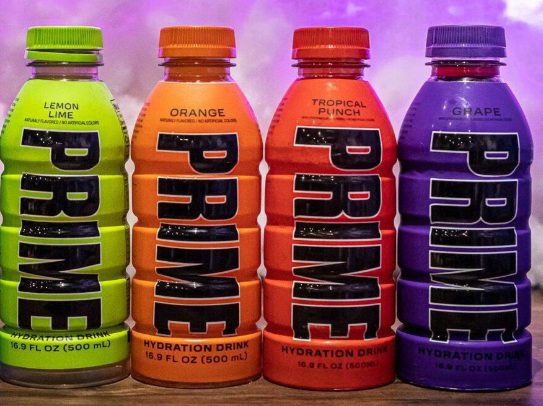
It seems like overnight, a new beverage took over schoolyards and social media feeds: Prime Hydration. Thanks to its founders, YouTube stars Logan Paul and KSI, this drink has become a must-have item for many children and teens. As parents, you’ve likely seen the brightly colored bottles and heard your kids begging for a taste. This leads to an important question: Is Prime Hydration good for kids?
The immense popularity and clever marketing have left many guardians wondering about the drink’s contents and its suitability for young, developing bodies. You want to make the best choices for your child’s wellness and growth, but the hype and peer pressure can make it difficult to navigate. This guide will provide a detailed look into Prime Hydration, breaking down its ingredients, comparing it to other sports drinks, and exploring expert opinions to help you make an informed decision.
What Exactly Is Prime? Understanding the Hype
Before we dive into the specifics, it’s crucial to understand that “Prime” isn’t just one drink. The brand, created by influencers Logan Paul and KSI after their amateur boxing rivalry, offers two very different products that often get confused due to similar branding.
The Critical Difference: Prime Hydration vs. Prime Energy
The most significant point of confusion for parents lies in the distinction between Prime Hydration and Prime energy drinks.
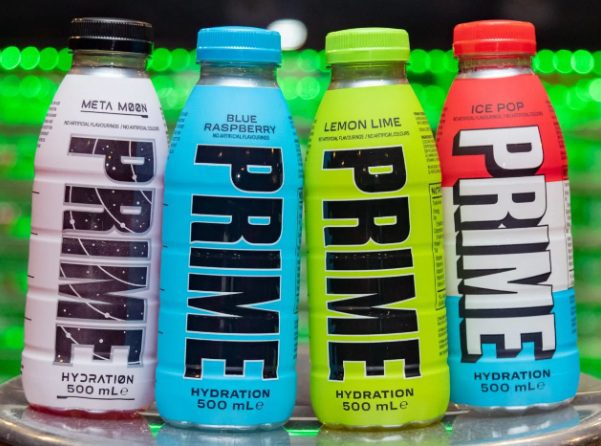
- Prime Hydration: This is the product sold in plastic bottles and marketed as a sports drink. It is caffeine-free and designed to help with hydration by replenishing electrolytes.
- Prime Energy: This version comes in a can and contains a very high amount of caffeine—200 milligrams per 12-ounce can. This is equivalent to about two cups of coffee or more than two and a half cans of Red Bull.
Due to its high caffeine content, Prime Energy is explicitly not recommended for anyone under the age of 18. The American Academy of Pediatrics strongly advises against caffeine for children, as it can interfere with sleep, increase anxiety, and affect heart rate. This article will focus specifically on Prime Hydration, the caffeine-free option, to determine if it is a safe choice for kids.
A Closer Look at Prime Hydration’s Ingredients
To understand if Prime Hydration is suitable for children, we need to examine what’s inside the bottle. The brand promotes its drink as a better hydration option, emphasizing its low sugar content and added nutrients.
Here’s a breakdown of the key ingredients:
- Filtered Water and Coconut Water: The base of the drink is water, with 10% being coconut water. Coconut water is known for containing natural electrolytes. However, this also poses a risk for children with coconut allergies.
- Electrolytes: Prime Hydration contains electrolytes like potassium, magnesium, and sodium, which are essential for muscle function and hydration.
- Artificial Sweeteners: To achieve its sweet taste without adding sugar, Prime uses artificial sweeteners like sucralose and acesulfame potassium.
- Vitamins: The drink is fortified with several vitamins, including high doses of vitamin A, E, B6, and B12.
- BCAAs (Branched-Chain Amino Acids): These are included to supposedly aid in muscle recovery.
While this list might seem healthy at first glance, nutritionists and pediatricians have raised several safety concerns.
Is Prime Hydration Safe for Kids? The Expert Consensus
The short answer from most experts is that while an occasional bottle of Prime Hydration isn’t likely to cause harm, it is not a recommended daily beverage for kids. Many argue that for most children, simple water is the best choice for hydration.
Here are the primary health risks and concerns associated with regular consumption.
H3: The Problem with Excessive Vitamins and Electrolytes
While vitamins are essential for child development, too much of a good thing can be harmful. This is a significant concern with Prime Hydration.
Vitamin Toxicity Risks
A single bottle of Prime Hydration provides well over 100% of the recommended daily intake of certain vitamins for a child. For example, it contains 900 mcg of vitamin A. The tolerable upper intake level for a child aged 9-13 is 1700 mcg. Drinking just two bottles a day could push a child over this limit, leading to a risk of vitamin A toxicity.
Potential for Electrolyte Imbalance
The electrolytes in Prime Hydration are proportioned for adults, not children. It has a very high level of potassium and a low level of sodium. For a child who isn’t engaging in prolonged, intense sports activities, this odd ratio is unnecessary and could potentially disrupt their natural electrolyte balance. Over time, this could affect kidney function and blood pressure. Most children get all the electrolytes they need from a balanced diet.
The Debate Over Artificial Sweeteners
Prime Hydration proudly advertises that it has zero added sugar. Instead, it uses artificial sweeteners (also called non-nutritive sweeteners). The FDA generally regards these as safe, but their long-term effects on kids are still not fully understood.
Some pediatric dietitians are concerned that regular exposure to intensely sweet flavors can alter a child’s taste preferences, making them less likely to enjoy the natural sweetness of fruits and vegetables. There’s also ongoing research into how these sweeteners might affect the gut microbiome. While parental guidance is key, limiting drinks with artificial flavors and sweeteners is often the recommended approach.
Unnecessary Ingredients: BCAAs
Prime Hydration contains Branched-Chain Amino Acids (BCAAs), which are often marketed to athletes for muscle recovery. However, children and teenagers who are still undergoing normal growth and development get a sufficient amount of these amino acids from food. There is little evidence to suggest that supplementing with BCAAs offers any additional hydration benefits or performance enhancement for young, non-elite athletes.
Prime Hydration vs. Gatorade and Water
How does Prime Hydration stack up against other popular drinks like Gatorade or plain water?
Prime Hydration vs. Gatorade
Gatorade has been a dominant sports drink for decades. The main difference between it and Prime is sugar. Gatorade uses sugar as a source of carbohydrates to provide quick energy for athletes during intense exercise. Prime Hydration, being sugar-free, does not offer this energy boost.
| Feature | Prime Hydration (500 ml) | Gatorade (591 ml) |
| Carbohydrates (Sugar) | 6 g (0 g added sugar) | 36 g |
| Artificial Sweetener | Yes | No |
| Sodium | 10 mg | 270 mg |
| Potassium | 700 mg | 75 mg |
For young athletes in competitive sports or engaging in strenuous activity for more than an hour, the carbohydrates in Gatorade can be beneficial for maintaining performance. In this context, Prime Hydration‘s low-carbohydrate formula is less effective. Furthermore, the high potassium and low sodium in Prime is not ideal for replenishing what is primarily lost through sweat (sodium).
The Unbeatable Champion: Water
For the vast majority of kids, water remains the best and most effective tool for hydration. Unless a child is an elite athlete or exercising intensely in the heat for over an hour, they do not lose enough electrolytes to require a specialized sports drink. A balanced diet rich in fruits and vegetables will replenish any lost nutrients naturally. Water is free, readily available, and has no added vitamins, sweeteners, or artificial flavors.
The Influence of Marketing and Peer Pressure
It’s impossible to discuss Prime Hydration without acknowledging the powerful influence of its founders. Logan Paul and KSI have millions of young followers, and their savvy marketing has created a sense of urgency and desirability around the product. This has led to widespread peer pressure in schools, where having a bottle of Prime can be seen as a status symbol. Some schools have even issued school bans on the drinks to curb the distraction and potential health risks.
As a parent, it’s important to have an open conversation with your child about this. Explain the difference between marketing and nutrition. You can use this as a teaching moment about making healthy choices based on facts, not trends.
Healthy Hydration Alternatives for Active Kids
Instead of reaching for a commercial sports drink, there are many healthy alternatives for keeping your kids hydrated, even during sports activities.
- Water: The number one choice for everyday hydration.
- Fruit Juices (in moderation): Diluted 100% fruit juices can provide some natural sugars and potassium.
- Milk: An excellent recovery drink that provides protein, carbohydrates, calcium, and electrolytes.
- Homemade Drinks: For active kids, you can create your own homemade electrolyte solutions. A simple mix of water, a splash of 100% fruit juice (like orange juice for potassium), and a tiny pinch of salt can do the trick. These homemade drinks are cheaper and give you full control over the ingredients.
- Hydrating Foods: Don’t forget that foods can also help with hydration. Watermelon, cucumbers, oranges, and strawberries are all great natural sources of fluids.
The Final Verdict: Should Your Kid Drink Prime Hydration?
So, is Prime Hydration good for kids? Based on expert opinions from pediatricians and nutritionists, it should not be a regular part of a child’s diet. While consuming it in moderation as an occasional treat is unlikely to be harmful, it is not a necessary or superior choice for hydration.
The potential health risks, including vitamin toxicity and electrolyte imbalance, outweigh the perceived hydration benefits. The presence of artificial sweeteners and unnecessary BCAAs further solidifies the argument that there are much better hydration options available. For daily hydration needs, water is always the best choice. For young athletes, a balanced diet and, in some cases, a carefully chosen sports drink or homemade alternative are far more beneficial.
Ultimately, parental guidance is crucial. By understanding the facts behind the hype, you can guide your child toward making healthier choices that support their long-term wellness and growth.
Frequently Asked Questions (FAQs)
- Is Prime Hydration safe for kids to drink occasionally?
Yes, most experts agree that Prime Hydration is likely safe for kids in moderation (i.e., as an occasional treat). However, it is not recommended for regular or daily consumption due to high vitamin levels and artificial sweeteners. - What is the main difference between Prime Hydration and Prime Energy?
Prime Hydration is a caffeine-free sports drink sold in plastic bottles. Prime Energy is an energy drink sold in cans that contains 200mg of caffeine and is not suitable for anyone under 18. - Why is water a better option than Prime Hydration for kids?
Water provides pure hydration without any added sugar, artificial sweeteners, vitamins, or electrolytes that most children do not need. It effectively meets the daily hydration needs of most kids without posing any toxicity risks. - Are the electrolytes in Prime Hydration good for young athletes?
Not necessarily. The electrolyte profile in Prime Hydration is very high in potassium and low in sodium, which doesn’t match what is typically lost through sweat during exercise. Traditional sports drinks or homemade drinks may be more effective for replenishing electrolytes during intense sports activities. - What are some healthy alternatives to Prime Hydration?
Excellent healthy alternatives include plain water, milk, diluted 100% fruit juices, and homemade electrolyte solutions made with water, a splash of juice, and a pinch of salt. Eating fruits with high water content also aids hydration.

