



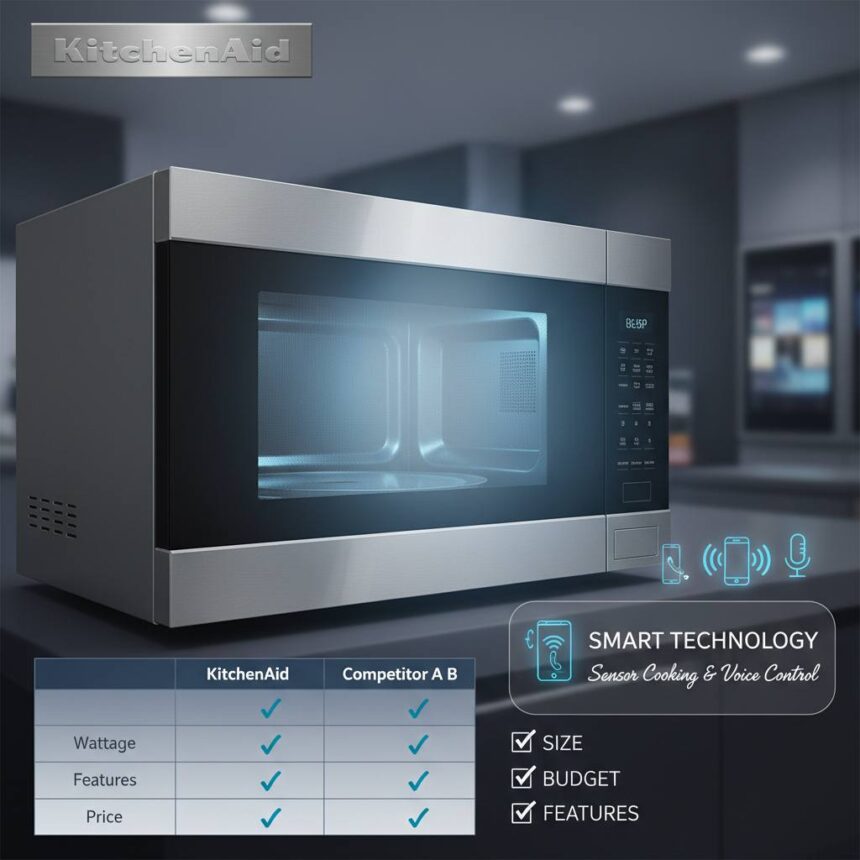
Upgrading your kitchen appliances can completely transform how you prepare meals. If you want to move beyond basic reheating, finding the right equipment is essential. A great microwave oven saves time, offers versatile cooking options, and blends beautifully with your existing home decor. We created this guide to help you understand exactly what to look for when shopping for your next appliance. You will learn about the different types of microwaves available, discover the most innovative features, see how they stack up against the competition, and get essential safety tips to keep your kitchen running smoothly.
- Why You Need a Kitchen Aid Microwave
- Types of Kitchen Aid Microwaves
- Innovative Features and Smart Technology
- Convection Cooking and Air Fry Mode
- Sensor Cooking Technology
- PrintShield Finish
- Smart Home Integration
- Comparing Kitchen Aid Microwave Models
- Kitchen Aid vs. Competitors
- Safety Tips for Using Your Kitchen Aid Microwave
- Use Microwave-Safe Containers
- Avoid Superheating Liquids
- Keep the Interior Clean
- Ensure Proper Ventilation
- Warranty, Customer Support, and Contact Information
- Conclusion
- Frequently Asked Questions (FAQs)
Why You Need a Kitchen Aid Microwave
A kitchen aid microwave is not just an average reheating machine. It is a powerful kitchen appliance designed to handle a wide variety of cooking tasks. When you bring a kitchen aid microwave into your home, you gain access to exceptional wattage, ranging from 1,000 watts to 1,600 watts. This high power ensures fast and even cooking every time you press start.
Whether you need to quickly defrost meat, keep warm your side dishes, or bake a small batch of cookies using a convection oven setting, a kitchen aid microwave gives you the flexibility of a second oven. The brand offers premium materials like stainless steel and black stainless steel, ensuring that your new appliance looks just as good as it performs.
Types of Kitchen Aid Microwaves
Selecting the right style is the first step in upgrading your kitchen. You have several design configurations to choose from based on your layout and personal preferences.
Countertop Microwaves
Countertop microwaves are perfect if you want flexibility. You can place these units anywhere on your countertop space, or you can integrate them into your cabinetry using a standard trim kit. A popular model like the 24″ Countertop Microwave gives you plenty of room with 2.2 cu. ft. of interior space. These models usually feature a classic push button to open the door and include essential sensor functions.
Over-the-Range Microwaves
If you want to maximize space, an over-the-range microwave is an excellent choice. These units install directly above your cooking surface, combining a microwave and a ventilation hood. The built-in exhaust fans clear smoke, grease, and odors from your kitchen. You will often find powerful dual-fan ventilation systems with up to 600 CFM motor power.
Low Profile Designs
Some kitchens have limited vertical space. A low profile microwave hood combination solves this problem. It gives you the necessary ventilation and cooking power while freeing up space above your stove.
Built-In Microwaves
For a seamless, custom look, consider a built-in microwave. These models integrate perfectly with your wall cabinets or fit neatly above a single wall oven. The flush built-in design creates a smooth, modern aesthetic. Many of these units feature a drop down door, similar to a traditional oven, giving you easy access to your food.
Microwave Drawers
A microwave drawer is a unique and highly accessible option. Installed under the counter or in a kitchen island, these units open with a gentle push or a touch of a button. An under-counter microwave drawer is an excellent choice for open kitchen layouts and is often ADA compliant, making it easily reachable for everyone in the home.
Innovative Features and Smart Technology
A modern kitchen aid microwave offers features that go far beyond basic cooking. Here are the top innovations you will find in these appliances.
Convection Cooking and Air Fry Mode
Many models now include a convection cooking feature. This technology uses an internal fan to circulate hot air, allowing you to bake, roast, and broil right in your microwave. Additionally, the highly popular air fry mode lets you enjoy crispy, fried foods with little to no oil. It uses a specially designed crisper pan to deliver the perfect crunch.
Sensor Cooking Technology
You never have to guess how long to cook your food again. Sensor cooking automatically tracks the moisture and humidity inside the microwave. It adjusts the cooking time and power level accordingly, ensuring your meals never come out overcooked or cold in the middle.
PrintShield Finish
Keeping your kitchen clean can be a chore, but the PrintShield finish makes it much easier. This specialized coating resists smudges and fingerprints. You can wipe away messes quickly using just a damp cloth, keeping your fingerprint resistant stainless steel looking pristine at all times.
Smart Home Integration
If you love a connected home, look for a smart appliance. A smart home enabled microwave allows you to control certain features directly from your smartphone or through hands-free voice commands. You can easily turn on the ventilation fan or adjust the lighting without lifting a finger.
Comparing Kitchen Aid Microwave Models
To help you find the perfect fit, we created this comparison table highlighting some of the top-rated models.
| Model Number | Type | Capacity | Finish | Key Features |
| KMHC319LSS | Over-the-Range | 1.9 cu. ft. | Stainless Steel | Air Fry, Convection Oven, Turntable |
| KMCS122SSS | Countertop | 1.6 cu. ft. | Stainless Steel | Sensor Cooking, Steam Clean, Push Button |
| KMMF330PSS | Over-the-Range | 1.1 cu. ft. | Stainless Steel | Flush Built-In, 400 CFM Fan, Touch to Open |
| KMBD104GSS | Microwave Drawer | 1.2 cu. ft. | Stainless Steel | Under-Counter, Keep Warm, Auto Defrost |
| KMML550RPS | Over-the-Range | 1.1 cu. ft. | PrintShield Stainless | Low Profile, Smart Home Enabled, Dual Fan |
Kitchen Aid vs. Competitors
When shopping for home appliances, it is wise to see what other brands offer. Here is how a kitchen aid microwave compares to its top competitors.
GE
GE offers a massive selection of microwaves, from budget-friendly countertop models to advanced built-in units. While GE is known for reliability and a vast array of options, Kitchen Aid often edges them out in terms of premium design aesthetics and specialized cooking features like the Crispwave microwave technology.
Whirlpool
Whirlpool is actually the parent company of Kitchen Aid. You will find that Whirlpool microwaves are highly durable and offer great value. However, Kitchen Aid is positioned as the premium tier, offering heavier-duty hardware, more powerful ventilation, and higher-end finishes like black ore and juniper.
Samsung
Samsung dominates the smart home space. Their microwaves often feature large touchscreens and deep integration with smartphone apps. While Samsung excels in tech gadgets, Kitchen Aid remains focused on heavy-duty culinary performance and seamless integration with other high-end kitchen appliances.
LG
LG is famous for its sleek designs and easy-to-clean interiors. Their microwaves heat food quickly and evenly. Kitchen Aid, however, offers more robust over-the-range ventilation options and unique form factors, like the highly sought-after microwave hood combination with a flush design.
Safety Tips for Using Your Kitchen Aid Microwave
Operating your appliance safely ensures a long lifespan for the unit and protects your home. Follow these important safety guidelines.
Use Microwave-Safe Containers
Never put metal, aluminum foil, or containers with metallic paint inside your microwave. These materials cause sparks and can start a fire. Always look for glass, ceramic, or plastic containers labeled as microwave-safe.
Avoid Superheating Liquids
When you heat a cup of water for tea or coffee, the liquid can heat beyond the boiling point without bubbling. If you bump the cup or drop a spoon into it, the water can suddenly erupt and cause severe burns. To prevent this, place a wooden stir stick in the cup while heating, or stop the microwave halfway through to stir the liquid.
Keep the Interior Clean
Food splatters can harden on the interior walls. If left uncleaned, these food particles can absorb microwave energy, causing the appliance to work harder and potentially spark. Wipe down the interior regularly. Many units offer a steam clean function to easily loosen stubborn grime.
Ensure Proper Ventilation
If you use an over-the-range microwave, make sure the grease filters are clean. Clogged filters restrict airflow and can become a fire hazard. Wash the reusable filters in warm, soapy water every few months to keep the ventilation system running smoothly.
Warranty, Customer Support, and Contact Information
Buying a premium appliance means you also get premium support. Every new kitchen aid microwave comes with a limited warranty. Generally, this covers parts and labor for the first year. Some specific components, like the magnetron tube, may carry a longer warranty, protecting your investment for years to come.
If you need help with installation, you can easily arrange for free install and haul away services through authorized retailers like The Home Depot when you purchase qualifying appliances.
For direct assistance, you can access the Kitchen Aid Owner’s Center online. Here, you will find product manuals, troubleshooting guides, and a live chat feature. You can also call their customer service hotline for dedicated support regarding repairs or replacement parts.
Conclusion
Choosing the right kitchen aid microwave can completely upgrade your cooking routine. Whether you opt for a versatile countertop unit, a space-saving low profile microwave, or an elegant under-counter microwave drawer, you will enjoy powerful performance and premium design. By understanding the different features, comparing models, and following basic safety guidelines, you can find the perfect appliance to match your culinary needs and your home’s unique style. Take the time to measure your space, decide which cooking features matter most to you, and get ready to enjoy faster, more efficient meal preparation.
Frequently Asked Questions (FAQs)
1. How long does a kitchen aid microwave typically last?
With proper care and maintenance, you can expect your microwave to last between 7 and 10 years. Keeping the interior clean and ensuring proper ventilation will help extend its lifespan.
2. Can I use a countertop microwave as a built-in unit?
Yes, you can turn a standard countertop model into a built-in unit. You will need to purchase a compatible standard trim kit or slim trim kit to ensure proper airflow and a seamless look within your cabinetry.
3. What does the air fry feature actually do?
The air fry mode uses a heating element and a powerful convection fan to circulate hot air rapidly around your food. This process creates a crispy exterior similar to deep frying, but it requires little to no cooking oil.
4. How do I clean the PrintShield finish?
The PrintShield finish is highly smudge-resistant. To clean it, simply wipe the surface with a soft, damp cloth and mild soap. Avoid using abrasive sponges or harsh chemical cleaners, as these can damage the protective coating.
5. Why is my over-the-range microwave fan turning on by itself?
Most over-the-range models feature an automatic safety thermostat. If the microwave detects excessive heat coming from the stove below, it will automatically turn on the exhaust fan to protect its internal electronic components. This is a normal safety feature.