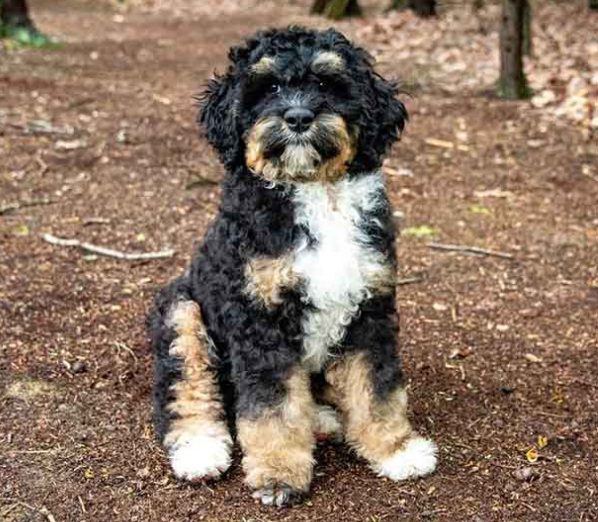
Bringing a new puppy into your house is one of life’s greatest joys. You fall in love with their tiny paws and clumsy walk. But as you watch them nap, you might wonder: what will this little ball of fluff look like in a year? If you are the proud owner of this specific crossbreed, knowing what a mini bernedoodle full grown looks like is essential for planning your life together.
While their puppy eyes stay the same, their bodies go through quite a transformation. Understanding the adult version of your dog helps you prepare for everything from buying the right size crate to knowing how much food to put in their bowl. Let’s dive deep into the world of these adorable dogs and uncover exactly what happens when they grow up.
What Exactly is a Mini Bernedoodle?
Before we talk about size, we need to understand the genetics. A Mini Bernedoodle is a designer crossbreed, a mix between a Bernese Mountain Dog and a Miniature Poodle. This combination aims to bring together the best of both worlds: the gentle, loyal nature of the Bernese and the intelligence and low-shedding coat of the Poodle.
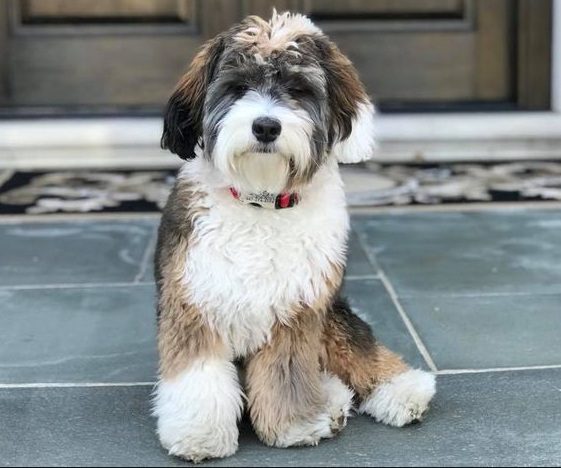
Because they are a hybrid, their traits can vary. Breeders often use different generations to achieve specific results. You might hear terms like F1, F1b, or multigen. An F1 is a 50/50 split, while an F1b is usually back-crossed with a Poodle to ensure the coat is more hypoallergenic. Some breeders use a mini doodle to mini doodle approach to keep the size consistent. This genetic variety is why hybrid vigor is often mentioned—mixed breeds tend to be healthier than their purebred parents.
The Size of a Mini Bernedoodle Full Grown
One of the most confusing things for new owners is predicting size. Since they are a mix of a large breed and a small breed, the outcome isn’t always 100% predictable. However, by analyzing data from top breeders, we can give you very accurate estimates.
Weight and Height Expectations
So, how big does a mini bernedoodle full grown actually get? On average, you can expect them to weigh between 26–35 pounds. However, genetics are funny, and some pups might land in the 30–40 pound range, while others might be smaller or larger.
In terms of height, they typically stand about 14–17 inches tall at the shoulder. It is important to remember that if a breeder uses a standard Poodle or a larger Bernese in the mix, the resulting puppies could easily exceed 45 pounds. Conversely, smaller parents might produce pups closer to 25-60 pounds (a wide range seen in some Mini/Medium Bernedoodle litters), but a true mini usually stays under that 40-pound mark.
Here is a quick breakdown of potential sizes:
| Type | Typical Weight | Typical Height |
| Micro Mini | 15-25 lbs | 12-14 inches |
| Mini Bernedoodle | 26–35 pounds | 14–17 inches |
| Medium Bernedoodle | 45-70 lbs | 16-22 inches |
When Do They Stop Growing?
Patience is key! A mini bernedoodle full grown doesn’t happen overnight. Most of these dogs will reach their full height and weight by their first birthday. However, the growth plates usually close, and skeletal growth stops around the 9 or 10-month mark.
After this point, they might “fill out” and gain a bit more muscle mass until they are about 18 months old. It is rare for them to have a massive growth spurt after one year. If your dog seems to be growing unusually slowly or quickly, it is always a good idea to check with your vet.
The Impact of Genetics on Size
Occasionally, you might see a dog that is much shorter than expected. This can sometimes be due to a condition called Chondrodysplasia (CDPA), which is essentially a form of short-leg syndrome. While it makes them look cute and low to the ground, it is a genetic trait that affects how their legs develop. Reputable breeders perform health screening to understand if the parents carry this gene.
Also, breeding techniques like artificial insemination or transcervical insemination allow breeders to pair dogs of vastly different sizes safely, which helps in creating that perfect “mini” size without health risks to the mother.
Coat Types and Grooming Needs
When your mini bernedoodle full grown coat comes in, it might look different than it did when they were a puppy. The puppy coat eventually fades away and is replaced by their adult fur, which brings new grooming responsibilities.
Wavy, Curly, or Straight?
Most of these dogs will have a wavy to curly coat.
- Fleece/Wavy: This is often the most desired coat. It is soft, has a loose wave, and gives them that shaggy “teddy bear” look.
- Curly: This coat leans more towards the Poodle side. It is tighter and requires more frequent brushing to prevent mats.
- Straight: Though rarer in minis (usually seen in F1 generations), some may have a straighter coat that looks more like the Bernese.
Regardless of the texture, these dogs are prized for being low to non-shedding. This is a huge plus for families who want a dog but hate vacuuming up hair every day.
Colors and Patterns
As they mature, their colors might shift slightly, but their stunning patterns usually remain. You will see different beautiful variations like Tri Colored (black, white, and rust), Sable & White, Apricot, and even Phantom Tri Colored. These unique markings are part of what makes the breed so visually striking.
Grooming Routine
To keep a mini bernedoodle full grown looking their best, you need a routine. Many owners opt for a Teddy bear cut, which keeps the hair at a manageable length while maintaining that cute, round-face look. You should plan on professional grooming every 6 to 8 weeks. In between visits, brushing 2-3 times a week is vital to keep their fur soft and mat-free.
Temperament: The Personality of an Adult
Size isn’t the only thing that settles down as they age. The personality of a mini bernedoodle full grown is often described as the perfect balance. They lose the frantic chaos of puppyhood and settle into a wonderful rhythm.
The Gentle Companion
These dogs are famous for their gentle nature. They tend to be incredibly affectionate and bond deeply with their humans. They are “velcro dogs” who want to be where you are. Whether you are cooking dinner or watching TV, they will be right there, likely sitting on your feet.
Intelligence and Training
Thanks to their Poodle DNA, they are incredibly smart. They pick up on commands quickly, but they can sometimes inherit a stubborn streak from the Bernese side. This means training should be consistent and positive. They respond best to treats and praise rather than harsh correction. Because they are so intelligent, they need mental stimulation. Puzzle toys and advanced tricks are great ways to keep their brains busy.
Social Life
A well-socialized mini bernedoodle full grown is usually very social. They typically get along famously with other dogs and are patient with children. They are excellent family dogs because they are sturdy enough to play but gentle enough to be careful.
Exercise and Activity Levels
Don’t let the “mini” fool you; these dogs still need to move! However, they are not marathon runners. Their energy level is usually moderate.
Daily Requirements
An adult Mini Bernedoodle will generally need about 30 to 60 minutes of exercise a day. A good walk in the morning and some playtime in the evening is usually sufficient. They are adaptable, which makes them great for apartment life as long as they get their walks.
They also make fantastic travel buddies. They are generally confident and happy to hop in the car for a road trip or accompany you to a dog-friendly cafe. They are versatile companions who are just as happy hiking a trail as they are snoozing on the sofa.
Health and Longevity
One of the biggest advantages of smaller dog breeds is that they often live longer than their giant counterparts. A Standard Bernese Mountain Dog has a heartbreakingly short lifespan, often 6-8 years. However, a mini bernedoodle full grown has a much better outlook.
Lifespan
You can expect these dogs to be part of your family for 12–16 years. The introduction of the Poodle genetics significantly extends their life expectancy.
Common Health Issues
Even with hybrid vigor, they can still be prone to certain issues.
- Hip/elbow dysplasia: Joint issues can occur, so keeping them at a healthy weight is crucial.
- Eye conditions: Progressive Retinal Atrophy (PRA) is something to watch for.
- Allergies: Skin allergies can be common, often related to food or environment.
Responsible breeders will do extensive health testing on parents to minimize these risks. As an owner, your job is to keep up with vet visits, vaccinations, and preventatives.
Spaying and Neutering
Discuss spaying and neutering with your vet. Doing this at the appropriate age can prevent various cancers and health issues down the road. For many owners, this is done around the 6-month to 1-year mark, depending on the vet’s recommendation for size and growth.
Nutritional Needs for the Adult Dog
Once your dog reaches that mini bernedoodle full grown status, their dietary needs change. They no longer need the high-calorie density of puppy food. Switching to a high-quality adult formula is important to prevent obesity.
Because they are prone to joint issues, keeping them lean is vital. If you are unsure about portions, use the feeding guide on your dog food bag as a starting point, but adjust based on their activity level. Avoid feeding them too many table scraps, as this can lead to picky eating and weight gain.
Final Thoughts on the Full Grown Stage
Watching your puppy grow into a mini bernedoodle full grown is a rewarding journey. You go from managing potty training and teething to enjoying a loyal, loving, and fun best friend. They truly are the total package: hypoallergenic, the perfect medium size, and blessed with a heart of gold.
Whether you choose a breeder like Fox Creek Farm, Fawn River Doodles, or another reputable source, knowing what to expect ensures you can give your dog the best life possible. They will repay your care with years of snuggles, laughter, and companionship.
Frequently Asked Questions (FAQs)
1. How big does a Mini Bernedoodle get full grown?
A mini bernedoodle full grown typically weighs between 26–35 pounds and stands 14–17 inches tall. However, size can vary depending on the parents, with some ranging from 25 to 50 pounds.
2. At what age is a Mini Bernedoodle considered full grown?
Most Mini Bernedoodles reach their full height and skeletal size by their first birthday (12 months). They may continue to fill out and gain muscle until they are around 18 months old.
3. Do full grown Mini Bernedoodles shed?
Generally, they are low to non-shedding, especially if they have a curly or wavy coat inherited from the Poodle. F1b generations (Mini Bernedoodle crossed back with a Poodle) are the least likely to shed.
4. Are Mini Bernedoodles good apartment dogs?
Yes! Because of their moderate size and temperament, they adapt very well to apartment life. As long as they get their daily walks and mental stimulation, they are happy in smaller spaces.
5. What is the lifespan of a Mini Bernedoodle?
Thanks to the Poodle genetics and hybrid vigor, a Mini Bernedoodle has a relatively long life expectancy of 12–16 years, which is significantly longer than a purebred Bernese Mountain Dog.