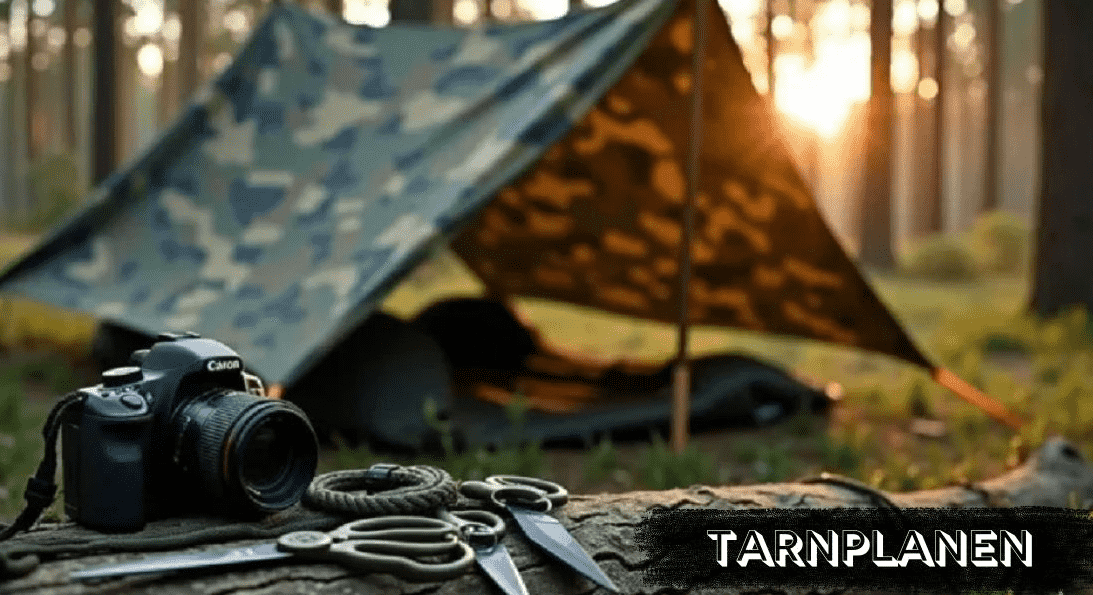
Whether you are an avid outdoorsman, a military professional, or someone who values preparedness, having the right gear is crucial. Protection from the elements and the ability to remain concealed can make all the difference in various situations. This is where Tarnplanen come into play. These are not your average tarps; they are highly specialized camouflage coverings designed for durability, versatility, and stealth.
The term Tarnplanen originates from German, combining “Tarn” (meaning camouflage) and “Planen” (meaning tarps or covers). Essentially, it translates to camouflage tarpaulins. Originally developed for military use, these robust sheets have found their way into civilian life, becoming a staple for campers, hunters, survivalists, and even DIY enthusiasts. This guide will cover everything you need to know about Tarnplanen, from their history and materials to their wide range of applications and how to choose the perfect one for your needs.
What Exactly Are Tarnplanen?
At its core, a Tarnplanen is a durable, often waterproof fabric sheet featuring a camouflage pattern. Its primary purpose is to provide concealment and protection in outdoor environments. Unlike standard blue or silver tarps that stand out, Tarnplanen are designed to blend seamlessly into various landscapes, such as forests, deserts, or even urban settings.
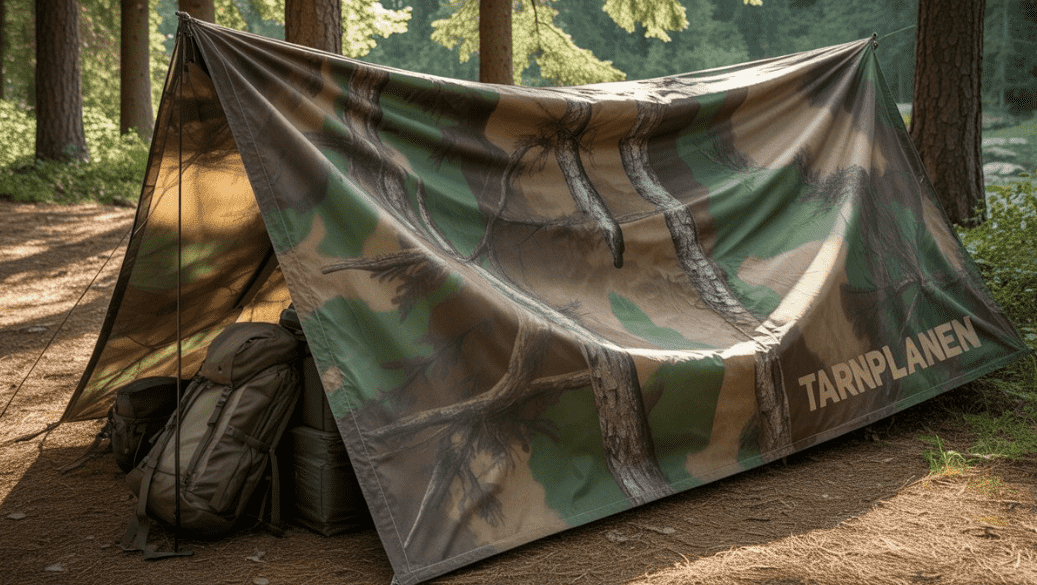
The evolution of these camouflage tarps is rooted in military necessity. Armies needed effective ways to hide personnel, vehicles, and equipment from enemy observation, both on the ground and from the air. This led to the development of sophisticated camouflage patterns and durable materials that could withstand the rigors of combat environments. Today, the benefits of these military-grade Tarnplanen are available to everyone.
The Historical Roots of Camouflage Tarps
The concept of camouflage in warfare became prominent during World War I, but it was during World War II that Tarnplanen as we know them began to take shape. Militaries, particularly the German Wehrmacht, developed advanced patterns like Splittertarnmuster (splinter pattern) and Erbsenmuster (pea-dot pattern) to disrupt outlines and blend soldiers into their surroundings. These patterns were applied to uniforms, helmet covers, and, of course, equipment tarps.
After the war, a large amount of military surplus, including Tarnplanen, became available to the public. Outdoor enthusiasts quickly recognized their value. These tarps were far more rugged and effective than anything commercially available at the time. This demand spurred innovation, and manufacturers began producing new Tarnplanen for the civilian market, incorporating modern materials and even more effective camouflage designs.
The Anatomy of a High-Quality Tarnplanen
The effectiveness of a Tarnplanen depends entirely on its construction. Several key components contribute to its durability, weather resistance, and ability to conceal. When evaluating a Tarnplanen, it is important to consider the materials, coatings, and structural features.
Core Materials: The Foundation of Durability
The fabric used is the most critical element. Different materials offer a trade-off between weight, strength, and cost.
Polyester and Nylon Blends
Modern Tarnplanen are most commonly made from synthetic fabrics like polyester or nylon. These materials offer an excellent balance of properties:
- Lightweight: They are easy to pack and carry, making them ideal for backpacking and hiking.
- Tear-Resistant: Ripstop weaves, which incorporate a grid of thicker threads, prevent small punctures from turning into large tears.
- Water-Resistant: These fabrics are naturally hydrophobic and dry quickly. When treated with coatings, they become fully waterproof.
- UV Resistance: High-quality polyester and nylon resist degradation from sunlight, extending the life of the Tarnplanen.
PVC (Polyvinyl Chloride)
Some heavy-duty Tarnplanen are made from or coated with PVC. This material is known for its extreme toughness and waterproof capabilities. While heavier than nylon or polyester, PVC tarps are exceptionally durable and are often used for semi-permanent shelters, vehicle covers, or in situations where abrasion resistance is paramount.
Canvas and Cotton-Blends
Traditional Tarnplanen were made from canvas. This natural material is incredibly rugged and breathable, which can reduce condensation buildup underneath the tarp. However, untreated canvas is heavy and absorbs water. Modern canvas Tarnplanen are often treated with wax or other waterproofing agents to mitigate this, but they remain a heavier option best suited for stationary camps or vehicle-based expeditions.
Coatings and Treatments: Enhancing Performance
The raw fabric is just the start. Coatings are applied to enhance the performance of the Tarnplanen.
- Polyurethane (PU) Coating: This is a common treatment for nylon and polyester tarps. It is applied to the inner side of the fabric to create a waterproof barrier. The thickness of the coating determines the hydrostatic head rating, which measures how much water pressure it can withstand.
- Silicone Coating: Silicone-impregnated nylon (silnylon) or silicone-coated polyester (silpoly) are premium options. Silicone makes the fabric waterproof, increases its tear strength, and adds a slippery finish that helps shed snow and water easily.
- UV Inhibitors: To prevent the camouflage pattern from fading and the fabric from becoming brittle over time, quality Tarnplanen include UV-inhibiting treatments.
Structural Reinforcements: Grommets and Tie-Outs
A Tarnplanen is only as useful as its attachment points.
- Grommets: These are metal or plastic eyelets installed along the edges and corners. They allow you to secure the tarp with ropes or stakes. Look for rust-proof brass or stainless steel grommets that are securely crimped.
- Tie-Out Loops: Many modern, lightweight Tarnplanen use webbing loops instead of grommets. These are often stronger and more flexible, as they distribute stress over a larger area of fabric, reducing the risk of tearing in high winds. Reinforced stitching at these points is a sign of high quality.
The Multifaceted Uses of Tarnplanen
The versatility of Tarnplanen is what makes them an indispensable piece of gear. Their applications span from professional military operations to recreational outdoor activities and practical home use.
Military and Tactical Operations
This is the original and most demanding application for Tarnplanen.
- Concealment: Hiding vehicles, supply caches, command posts, and observation points from aerial and ground surveillance. Advanced Tarnplanen may also offer thermal and near-infrared (NIR) signature reduction.
- Shelter: Creating hasty shelters for troops in the field, protecting them from rain, sun, and wind.
- Equipment Protection: Covering sensitive equipment to shield it from harsh weather and prying eyes.
Outdoor Recreation and Survival
For civilians, the uses are nearly limitless.
- Camping Shelter: A Tarnplanen can be configured in dozens of ways to create a shelter, from a simple A-frame or lean-to for minimalist camping to a large dining fly over a picnic table at a family campsite.
- Groundsheet: Placing a Tarnplanen under a tent protects the tent floor from rocks, roots, and moisture, significantly extending the life of your tent.
- Hunting and Wildlife Photography: Hunters and photographers use Tarnplanen to build blinds, allowing them to blend into the environment and observe wildlife without being detected.
- Emergency Preparedness: A durable Tarnplanen is a cornerstone of any good survival kit. It can be used for shelter, water collection, signaling, or as an emergency blanket or stretcher.
Commercial and DIY Applications
The toughness and camouflage pattern of Tarnplanen are also useful in non-recreational settings.
- Load Covering: Protecting cargo on trucks or trailers from weather while offering a more discreet appearance than a bright blue tarp.
- Job Site Protection: Covering materials and equipment at construction sites.
- Gardening and Landscaping: Using a Tarnplanen as a ground cover to suppress weeds or to haul yard waste.
How to Choose the Right Tarnplanen for You
With so many options available, selecting the perfect Tarnplanen can seem daunting. By considering a few key factors, you can narrow down the choices and find the one that best suits your needs.
1. Intended Use and Environment
First, think about how you will primarily use the Tarnplanen.
- Backpacking: Weight and packed size are your top priorities. Look for a lightweight silnylon or silpoly Tarnplanen.
- Car Camping: Weight is less of an issue, so you can opt for a larger, more durable PVC or heavy-duty polyester Tarnplanen for more comfort.
- Hunting: The camouflage pattern is critical. Choose a pattern that matches the specific terrain you will be in, whether it is a woodland, desert, or marsh pattern.
2. Size and Shape
Tarnplanen come in various sizes and shapes.
- Square tarps (e.g., 10’x10′) are highly versatile for shelter building.
- Rectangular tarps (e.g., 8’x10′ or 10’x13′) are excellent for A-frame setups and covering longer items.
- A solo camper might only need a small 6’x8′ tarp, while a group might want a 12’x12′ or larger Tarnplanen to serve as a communal shelter.
3. Material and Waterproofing
Consider the weather conditions you expect to face. A higher hydrostatic head rating (measured in mm) means better waterproofing. For serious 3-season or 4-season use, look for a rating of at least 3000mm. For a fair-weather tarp, 1500mm might be sufficient. The choice between polyester and nylon often comes down to personal preference, though nylon is typically stronger while polyester is less prone to stretching when wet.
Comparison of Tarnplanen Materials
| Material | Durability | Waterproofing | Weight | Cost | Best For |
| Polyester (PU Coated) | Good | Good | Moderate | $$ | General camping, all-around use |
| Nylon (Silnylon) | Excellent | Excellent | Lightweight | $$$ | Backpacking, ultralight setups |
| PVC | Superior | Superior | Heavy | $$ | Vehicle covers, stationary camps |
| Canvas (Treated) | Excellent | Good | Very Heavy | $$$ | Bushcraft, long-term camps |
Tips for Using and Maintaining Your Tarnplanen
Owning a quality Tarnplanen is an investment. Proper use and care will ensure it serves you well for many years.
Effective Setup Techniques
- Choose a good site: Look for a location with natural protection from wind and avoid setting up under dead branches (widow-makers).
- Use a ridgeline: For most shelter setups, running a strong cord between two trees to act as a ridgeline is the easiest method. Drape the Tarnplanen over the ridgeline to create an A-frame.
- Get the angle right: Pitch your tarp at a steep angle to shed rain and snow effectively. In windy conditions, a lower, more aerodynamic profile is better.
- Use proper knots: Learn a few basic knots like the taut-line hitch, which allows you to easily adjust the tension of your guy lines.
Cleaning and Storage Best Practices
- Clean after use: Never store a Tarnplanen when it is wet or dirty. Shake off loose dirt and debris. If it needs cleaning, use a soft sponge and mild, non-detergent soap. Rinse it thoroughly.
- Dry completely: Hang your Tarnplanen in a shaded, well-ventilated area until it is completely dry. Storing it wet will lead to mildew, which can ruin the fabric and its waterproof coating.
- Store loosely: Avoid folding your Tarn planen along the same creases every time. Instead, stuff it loosely into a storage sack. This prevents the fabric and coating from breaking down along sharp folds.
- Inspect and repair: Periodically check for small holes or tears and patch them immediately with a dedicated tarp repair kit to prevent them from getting worse.
A good Tarnplanen is more than just a piece of fabric; it is a versatile tool that provides shelter, concealment, and peace of mind in the great outdoors. By understanding the different types and how to choose the right one, you can add a powerful and reliable asset to your gear collection.
Frequently Asked Questions (FAQs)
- What is the difference between a regular tarp and a Tarnplanen?
A regular tarp is a general-purpose cover, usually in a solid, bright color. A Tarn planen is specifically designed for concealment with a camouflage pattern and is typically made from more durable, weather-resistant materials suited for outdoor and tactical use. - Are all Tarnplanen waterproof?
Most modern Tarn planen are waterproof or at least highly water-resistant. However, the level of waterproofing varies by material and coating. Always check the product specifications for a hydrostatic head rating to understand its performance in heavy rain. - What is the best camouflage pattern for a Tarnplanen?
The best pattern depends on your environment. Woodland patterns with greens and browns are ideal for forests. Desert patterns with tans and beiges work best in arid regions. Digital or multi-terrain patterns are versatile and effective at breaking up outlines in various settings. - How do I repair a tear in my Tarnplanen?
For small holes or tears, use a dedicated repair kit that includes adhesive patches or sealant. For nylon or polyester tarps, peel-and-stick Tenacious Tape is an excellent field repair solution. Ensure the area is clean and dry before applying the patch.
5. Can I use a Tarnplanen in extreme cold or snow?
Yes, a high-quality Tarn planen can be used in winter conditions. Look for a tarp made from a material that remains flexible in the cold, like silnylon. A steep pitch is essential to shed snow, as heavy, wet snow accumulation can damage the tarp or cause the shelter to collapse.