
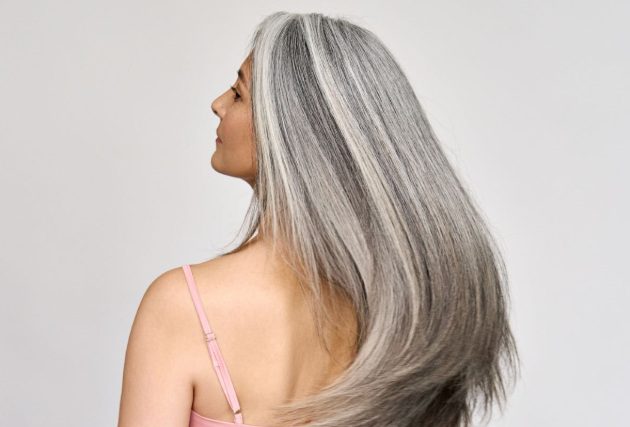
Embracing your natural grey hair is a beautiful journey of self-acceptance. For many, the process can feel liberating, but the in-between stage often presents a challenge. A sudden shift can feel awkward, which is why transitioning to grey hair with highlights offers a graceful and stylish solution. This method allows you to blend your emerging silver strands seamlessly with your current hair color, adding depth, dimension, and a modern feel to your look. Instead of fighting the change, you can work with it, creating a multi-tonal style that is uniquely yours.
This guide will provide you with expert tips for a smooth and beautiful transition. We will explore various techniques, from highlights and lowlights to choosing the perfect hairstyle that complements your new look. Let’s dive into how you can make the process of transitioning to grey hair with highlights an empowering and fashionable experience.
Why Choose Highlights for Your Grey Hair Transition?
Deciding to stop coloring your hair can feel like a big step. The distinct line between your dyed color and your natural roots can be a major hurdle. Highlights are an excellent strategy to soften this demarcation line.
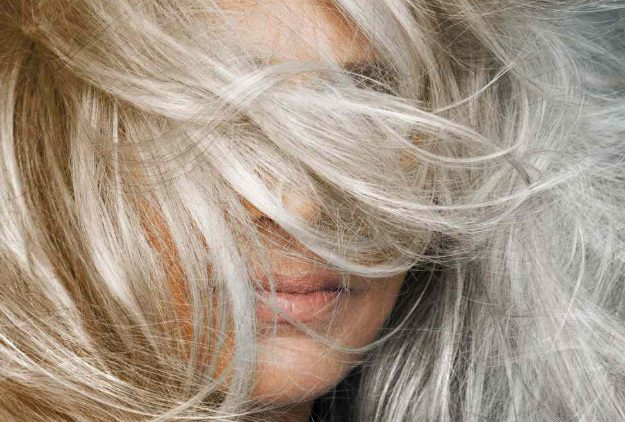
By weaving lighter strands throughout your hair, a professional stylist can create a bridge between your old color and your new natural grey. This approach not only camouflages the growing-out phase but also enhances your hair’s texture and vibrancy. It allows you to control the pace of your transition, gradually increasing the amount of grey you show to the world. Ultimately, it’s a way to embrace the change without a drastic, overnight alteration.
10 Expert Tips for a Flawless Transition
Making the move to grey hair is a process that requires patience and a bit of professional guidance. Following these expert tips will ensure your journey is as smooth and beautiful as possible.
1. Trust a Professional Stylist
While DIY hair color kits are tempting, transitioning to grey hair with highlights is a nuanced art that is best left to a professional. A skilled stylist possesses the expertise to assess your hair’s condition, your unique grey pattern, and your underlying color. They can create a custom blend of shades that looks natural and sophisticated. They will help you avoid common pitfalls like brassy tones or uneven color, ensuring your hair remains healthy hair throughout the process.
2. Choose the Right Hues for Your Base Color
The success of your transition heavily depends on selecting the right highlight shades. The goal is to create a soft, blended effect rather than a stark contrast.
- For Lighter Hair (Blonde, Light Brown): If your hair is already light, the transition is generally easier. Consider hues like ash blonde, platinum, honey, or a gentle caramel. These tones mix beautifully with silver, creating a sun-kissed, multi-dimensional look.
- For Darker Hair (Brunette, Black): The contrast can be more pronounced with dark hair. Your stylist might suggest a combination of techniques. Subtle babylights can create a delicate shimmer, while a balayage can paint on lighter pieces for a more natural, blended effect. Sometimes, incorporating lowlights (darker strands) alongside highlights can create a stunning salt-and-pepper look.
3. Combine Highlights and Lowlights for Depth
Using only highlights can sometimes make the hair look flat. By adding lowlights—strands that are two to three shades darker than your base color—you can create incredible depth and dimension. This technique is particularly effective for brunettes who want to achieve a balanced salt-and-pepper look. The interplay between the light, dark, and silver strands mimics the natural complexity of greying hair, resulting in a more authentic and vibrant style.
4. Don’t Forget the Power of a Toner
A toner is a crucial step in the highlighting process. After your hair is lightened, it might reveal unwanted undertones, such as yellow or orange brassiness. A professional-grade toner counteracts these tones, refining the color to achieve the perfect cool, ashy, or neutral shade that will blend seamlessly with your silver strands. This ensures your highlights look intentional and chic, not accidental.
5. Consider Babylights for a Subtle Effect
If you have darker hair or are just beginning to see greys, babylights are a fantastic option. This technique involves creating ultra-fine, delicate highlights that mimic the subtle, sun-kissed hair color of a child. They are much softer and more natural-looking than traditional highlights. Placing them around your face can brighten your complexion and help your first greys blend in almost invisibly.
Highlight Techniques for Different Hair Colors
| Hair Color | Recommended Technique | Desired Effect | Shades to Consider |
| Light Blonde | Herringbone Highlights | Seamlessly blends silver into blonde for a modern, dimensional look. | Platinum, ash blonde, pearl. |
| Dark Blonde/Light Brown | Traditional Highlights & Balayage | Creates a soft, sun-kissed blend between natural and grey tones. | Caramel, honey, sandy blonde. |
| Medium Brown | Highlights & Lowlights | Builds a rich, multi-tonal effect, creating a sophisticated salt-and-pepper style. | Light auburn, golden brown, chocolate. |
| Dark Brown/Black | Babylights & Root Smudging | Provides a subtle, natural-looking blend that softens the contrast. | Cool-toned browns, muted ash. |
| Red Hair | Highlights & Copper Tones | Integrates grey strands while enhancing the natural warmth of red hair. | Copper shimmer, strawberry blonde. |
6. Embrace Herringbone Highlights
A newer technique gaining popularity is herringbone highlights. Instead of trying to hide the greys, this method incorporates them into the highlighting pattern. The stylist applies highlights diagonally, weaving them in with your natural grey strands. This works exceptionally well for blondes but can be adapted for brunettes by a skilled colorist. The result is a chic, modern look that celebrates your greys rather than covering them up.
7. Use Root Smudging for a Softer Grow-Out
As your hair grows, the line between your colored hair and your natural roots becomes more visible. Root smudging is a technique where your stylist applies a color close to your natural shade at the roots and “smudges” it downwards. This blurs the harsh line, creating a much softer and more gradual transition. It’s an essential part of making the grow-out process manageable and stylish.
8. Opt for Shorter Hairstyles
While not a requirement, cutting your hair shorter can significantly speed up the transition process. Styles like pixie cuts or layered bobs allow you to trim away the old, dyed ends more quickly. Shorter hair also tends to look more voluminous and modern, which can prevent grey hair from looking aging. A fresh, chic cut can give you a boost of confidence as you embrace your new color.
9. Maintain Your Tone with Blue or Purple Shampoo
Grey and highlighted hair can be prone to yellowing due to environmental factors like sun exposure and minerals in water. Using a purple shampoo once or twice a week can neutralize these unwanted yellow tones, keeping your silver and blonde strands bright and cool. For brunettes, a blue shampoo can help combat any orange or brassy tones that may appear.
10. Prioritize Healthy Hair
The most important tip of all is to focus on your hair’s health. Chemical processes like highlighting can be damaging. Invest in good hair care routines. Use sulfate-free shampoos, deep conditioning treatments, and heat protectant sprays. Well-moisturized, shiny hair will always look more youthful and vibrant, regardless of its color. Healthy hair is the foundation of any great style, and it’s especially important during the process of transitioning to grey hair with highlights.
Understanding the Greying Process
Why does hair turn grey in the first place? The color of our hair is produced by pigment cells called melanocytes, which create melanin. These cells gradually produce less melanin. When a hair follicle produces no melanin, it grows in white or grey. This process is primarily determined by genetics.
However, other factors can contribute to premature greying. Chronic stress can create oxidative stress in the body, which may impact melanocyte function. Nutritional deficiencies, particularly in vitamins like B12, and certain health conditions can also play a role. Understanding this helps us appreciate that greying is a natural biological process. The journey of transitioning to grey hair with highlights is about embracing this change gracefully.
Will Letting My Hair Go Grey Make Me Look Older?
This is a common concern, but the answer is not necessarily. In recent years, silver hair has become a fashionable trend embraced by people of all ages. How you wear your grey hair makes all the difference. A modern haircut, a vibrant wardrobe, and a confident attitude can make grey hair look incredibly chic and sophisticated, not old. The key is to own it. The process of transitioning to grey hair with highlights helps you do just that by keeping your style fresh and current.
Making the choice to go grey is a personal one. There is no right or wrong time. It’s about when you feel ready to embrace your natural beauty. For some, that’s when the first silver strands appear; for others, it’s years later. A gradual approach, like transitioning to grey hair with highlights, allows you to move at your own pace.
Frequently Asked Questions (FAQs)
- How long does it take to fully transition to grey hair?
The timeline varies depending on your hair length and how fast it grows. For someone with shoulder-length hair, it can take one to two years to fully grow out the old color. Opting for a shorter haircut can significantly reduce this time. The process of transitioning to grey hair with highlights helps make this period look intentional and stylish. - What is the best way to blend grey hair with highlights?
The best method depends on your natural hair color. For blondes, herringbone highlights or ash blonde tones work beautifully. For brunettes, a combination of babylights, lowlights, and a balayage can create a seamless blend. Consulting with a professional colorist is the best way to determine the ideal strategy for you. - Will my hair texture change as it turns grey?
Yes, many people find that their grey hair has a different texture. It can feel coarser, wirier, or more dry. This is because the hair cuticle is different, and oil glands in the scalp may produce less sebum with age. Maintaining a good moisturizing and conditioning routine is key to keeping your silver strands soft and manageable. - How often will I need to get my highlights touched up during the transition?
Initially, you may need to visit your stylist every 8-12 weeks to add more highlights and blend the new growth. As more of your natural grey grows in, the appointments can become less frequent. Your stylist may use techniques like root smudging to extend the time between salon visits. - Can I transition to grey hair without using bleach?
If your hair is naturally light, it may be possible to use high-lift color instead of bleach. However, for most people, especially those with dark or previously colored hair, bleach is necessary to lift the hair to a shade that will blend with grey. A professional stylist will use the lowest possible developer and take steps to protect your hair’s integrity.

