
A transatlantic flight is a routine event for thousands of people every day. Passengers settle in for a long journey, expecting little more than a meal service and a movie before arriving at their destination. For those aboard United Airlines Flight UA770 from Barcelona to Chicago, however, the trip involved an unexpected change of plans. A potential technical issue mid-flight led to an emergency diversion, a situation that ultimately highlighted the incredible effectiveness of modern aviation safety protocols.
This post will walk you through the events of the United Airlines Flight UA770 emergency diversion. We will cover the flight’s route, the nature of the emergency, the procedures the crew followed, and how the situation was resolved safely. This incident serves as a powerful reminder of the robust systems in place to protect passengers and crew in the air.
From Barcelona to an Unscheduled London Stop
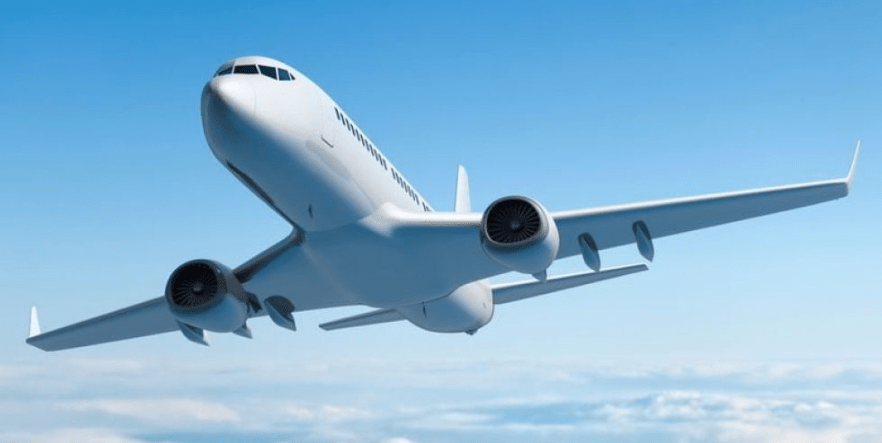
United Airlines Flight UA770, a Boeing 787 Dreamliner, departed from Barcelona, Spain, with Chicago O’Hare International Airport as its final destination. The initial phase of the flight was uneventful. Passengers were at cruising altitude over the Atlantic, hours into their journey, when the flight crew received an alert pointing to a potential issue with the cabin pressurization system.
Cabin pressure is a critical system that maintains a safe and breathable atmosphere inside the aircraft as it climbs to high altitudes where the outside air is too thin. Even a minor warning related to this system requires immediate and serious attention. The pilots, adhering to their extensive training, made the decision to prioritize safety above all else.
The “Squawk 7700” Emergency Protocol
Once the potential fault was identified, the flight crew declared a state of emergency. They did this by using the transponder code “squawk 7700.” This specific code is a universal signal in aviation that instantly communicates a general emergency to air traffic control (ATC) and other nearby aircraft.
Activating squawk 7700 ensures the flight receives immediate priority. Air traffic controllers clear the surrounding airspace, guide the aircraft along the most direct and safest route to a suitable airport, and coordinate with ground personnel to prepare for its arrival. Emergency services, including fire and rescue teams, are placed on standby as a standard precaution. This swift and coordinated response is a cornerstone of aviation safety, ensuring that an aircraft in distress gets the full attention and resources it needs.
Why London Heathrow Was the Safest Choice
With an emergency declared over the Atlantic, the next critical decision was choosing the right diversion airport. Instead of continuing toward Chicago or turning back to Barcelona, the pilots diverted to London Heathrow (LHR). This choice was strategic and deliberate for several key reasons.
First, Heathrow is one of the world’s most advanced airports. It is fully equipped to handle large, modern aircraft like the Boeing 787 Dreamliner. The airport has long runways and extensive technical support infrastructure, including maintenance crews with expertise in a wide range of aircraft systems.
Second, its location made it the most logical and safest option at that point in the flight. An immediate landing was preferable to a prolonged flight with a potential pressurization problem. Heathrow provided the quickest path to getting the aircraft safely on the ground for a thorough inspection.
A Safe Landing and Passenger Care
Thanks to the professionalism of the flight crew and the seamless coordination with air traffic control, Flight UA770 made a safe and uneventful landing on Runway 27R at London Heathrow. The aircraft taxied to a gate where it was met by engineering and ground staff, ready to assess the situation.
For the passengers, the captain’s announcement about a diversion would have been unsettling. However, reports from the flight indicate that the cabin crew remained calm and professional, keeping passengers informed and preventing panic. Oxygen masks were not deployed, as the issue was managed before it escalated into a loss of cabin pressure. The primary emotion upon landing was relief.
Once safely on the ground, United Airlines‘ focus shifted to passenger welfare. An emergency diversion is a significant disruption to travel plans. The airline took immediate steps to assist those affected, providing:
- Hotel accommodations for passengers who needed to stay overnight in London.
- Meal vouchers to ensure comfort during the delay.
- Rebooking onto alternative flights to get them to their final destination in Chicago as quickly as possible.
This response demonstrates an airline’s commitment to customer care, even in challenging and unexpected circumstances. While the diversion was an inconvenience, the airline’s organized response helped mitigate the stress on its passengers.
A Testament to Aviation Safety
The story of Flight UA770’s diversion is not one of failure, but of success. It is a real-world example of aviation safety systems working exactly as designed. From the early detection of a potential issue to the textbook execution of emergency procedures, every step taken was guided by the principle of “safety first.”
This incident reinforces several key aspects of air travel safety:
- Advanced Aircraft Technology: Modern aircraft like the Boeing 787 are equipped with sophisticated sensors that continuously monitor critical systems and provide early warnings.
- Rigorous Crew Training: Pilots and cabin crew undergo extensive and recurrent training to manage a wide array of potential emergencies. Their calm and decisive actions are a direct result of this preparation.
- Coordinated Global Systems: The ability of an aircraft to declare an emergency and receive immediate, prioritized support from air traffic control anywhere in the world is a remarkable achievement of global cooperation.
Diversions for technical reasons are rare, but they are a clear indication that an airline and its crew will not take chances with passenger safety. It is far better to land and inspect a potential issue on the ground than to risk a problem escalating in the air.
Conclusion: Trust in the System
The emergency diversion of United Airlines Flight UA770 ended with the best possible outcome: everyone was safe. While the event caused delays and was undoubtedly stressful for those onboard, it serves as a powerful reassurance for the flying public. The incident highlights that the aviation industry is built on a foundation of proactive safety measures, highly trained professionals, and robust protocols designed to handle the unexpected. For travelers, it is a reminder that when you step onto an airplane, your safety is the highest priority.

